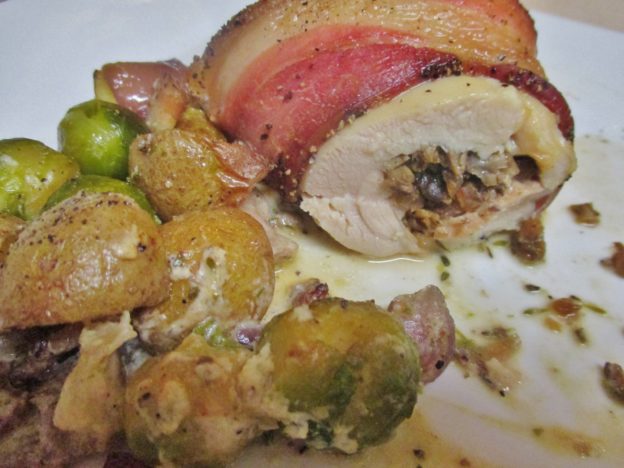
Mama D’s Best Pot Roast, Ever

We are definitely falling into winter. The days are shorter, the air is colder, and snow has dusted the ground more than once. Hearty comfort food seems like the thing to do. It was time to come to grips with my love/ hate relationship with Pot Roast. Perhaps hate is too strong a word. Maybe I just haven’t had the perfect pot roast. I am here in the winter laden Midwest for the long (cold) haul, so the time has come to find it.

What I’ve always loved about pot roast is how it makes the house smell. My challenge was developing a recipe that tasted as good to me as it smelled. I looked at lots of recipes from slow cooker style to Beef a la Mode and everything in between.

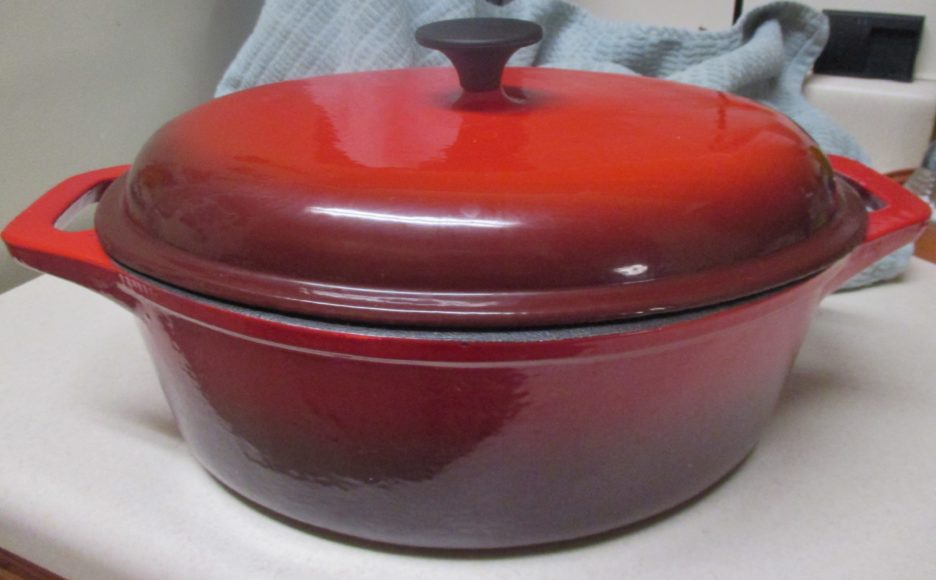
I decided that oven braising would give me the aroma that I loved and would make the apartment warm and toasty too. This also gave me a reason to use my large Dutch Oven. Porcelain clad cast iron, bright red, and weighing in at about 15 pounds, its ability to hold heat evenly would be just the vessel to house my roast. Granted moving it from place to place was an upper body workout in itself, but the effort would be worth it.
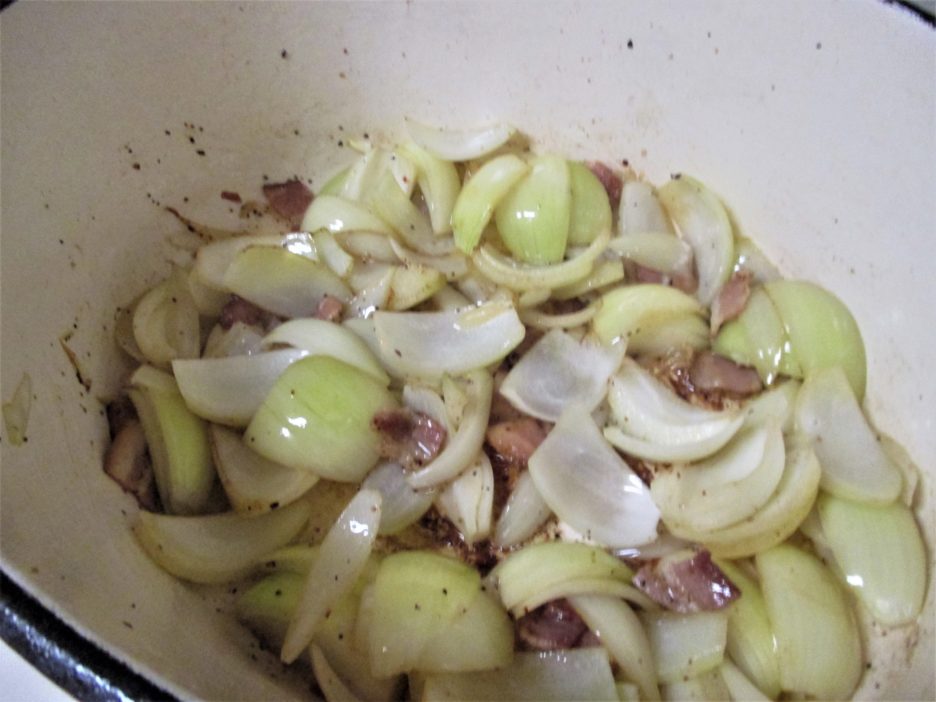
I like the traditional vegetable trio of onions, carrots, and potatoes so I knew they would be active participants. I can’t do anything without garlic, and bacon is my guilty pleasure so they had to be in the mix as well. My herb of choice is rosemary which was still growing on the balcony. So, now that I had my cast of characters in place it was time to get on with the show.

The perfect pot roast starts with the perfect chuck roast. Boneless, well marbled, and weighing in at around three pounds it was ready for its closeup. I heated my dutch oven to screaming hot on the stove, added some olive oil and plopped the roast in and covered it with a splatter screen. The browning had to be extreme and the screen kept the kitchen and Papa D from getting too upset. Once it was delightfully brown on all sides, I removed it from the pan and added some thick peppered bacon that I had chopped up. Then came onions. Lots and lots of onions. I let them soften and begin to brown before I added an almost obscene amount of garlic. Once everything looked perfect, I nestled the roast back in. Braising requires liquid to gently surround the roast so I used a combination of beef stock, red wine, and Worcestershire sauce. Simple and traditional, but that can be a very good thing.
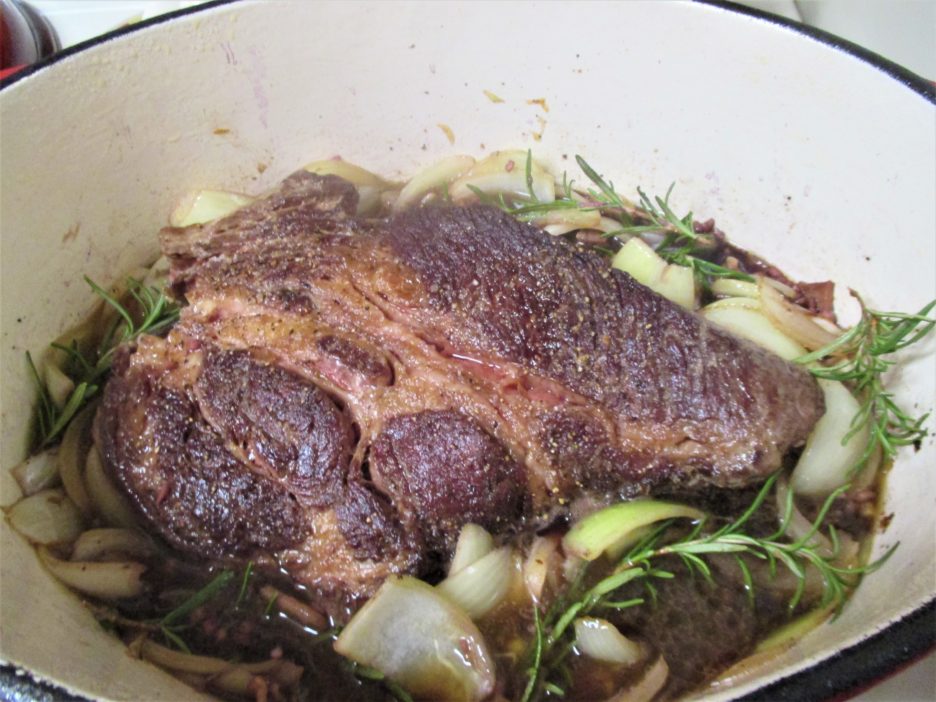
All that was left to do was cover it and pop it into a low (300 degree) oven. The dutch oven now had to be weighing far more than 15 pounds so I didn’t pop it in as much as I grit my teeth, held my breath, and shoved it in. It spent the next hour and a half getting extremely happy and perfuming my home beautifully.

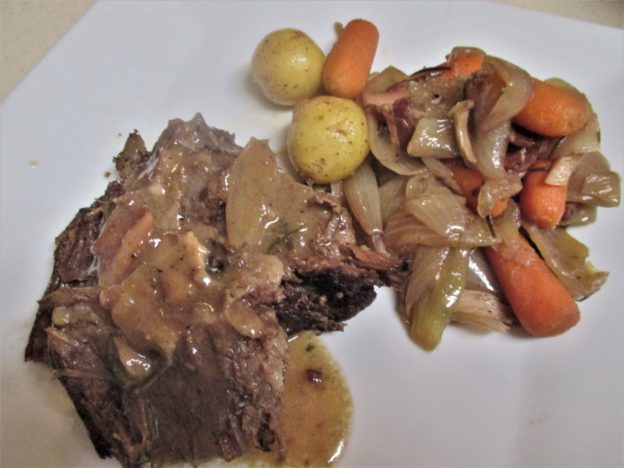
I pulled the pan out of the oven (the maneuver was a modified clean jerk) and added some gold creamer potatoes and baby carrots. The cover went on and the pan went back in the oven. While everything cooked for another hour, I iced my biceps and had a glass of wine.

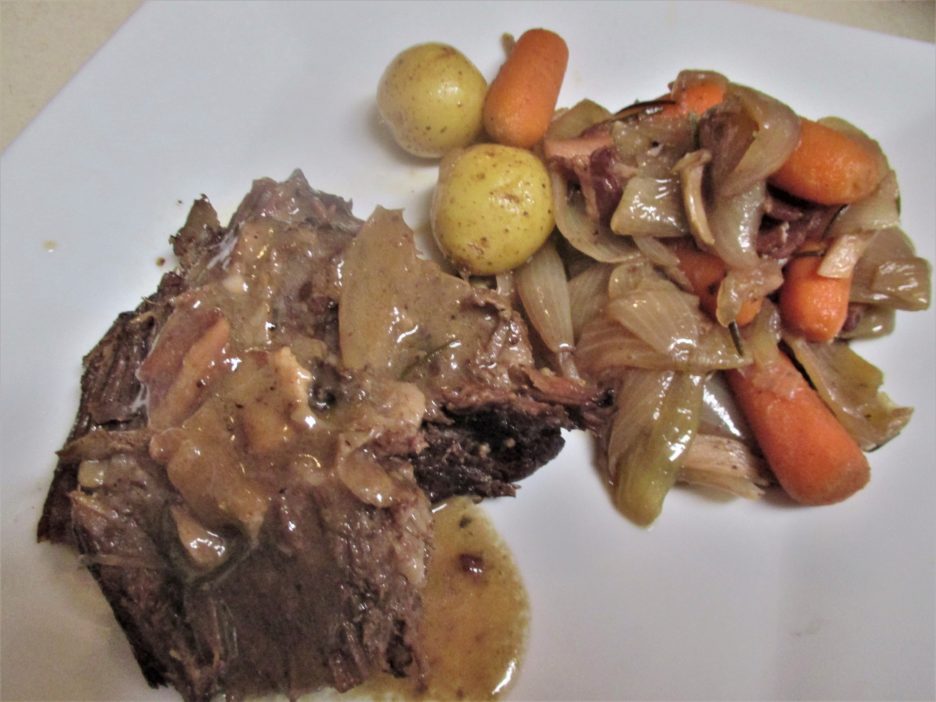
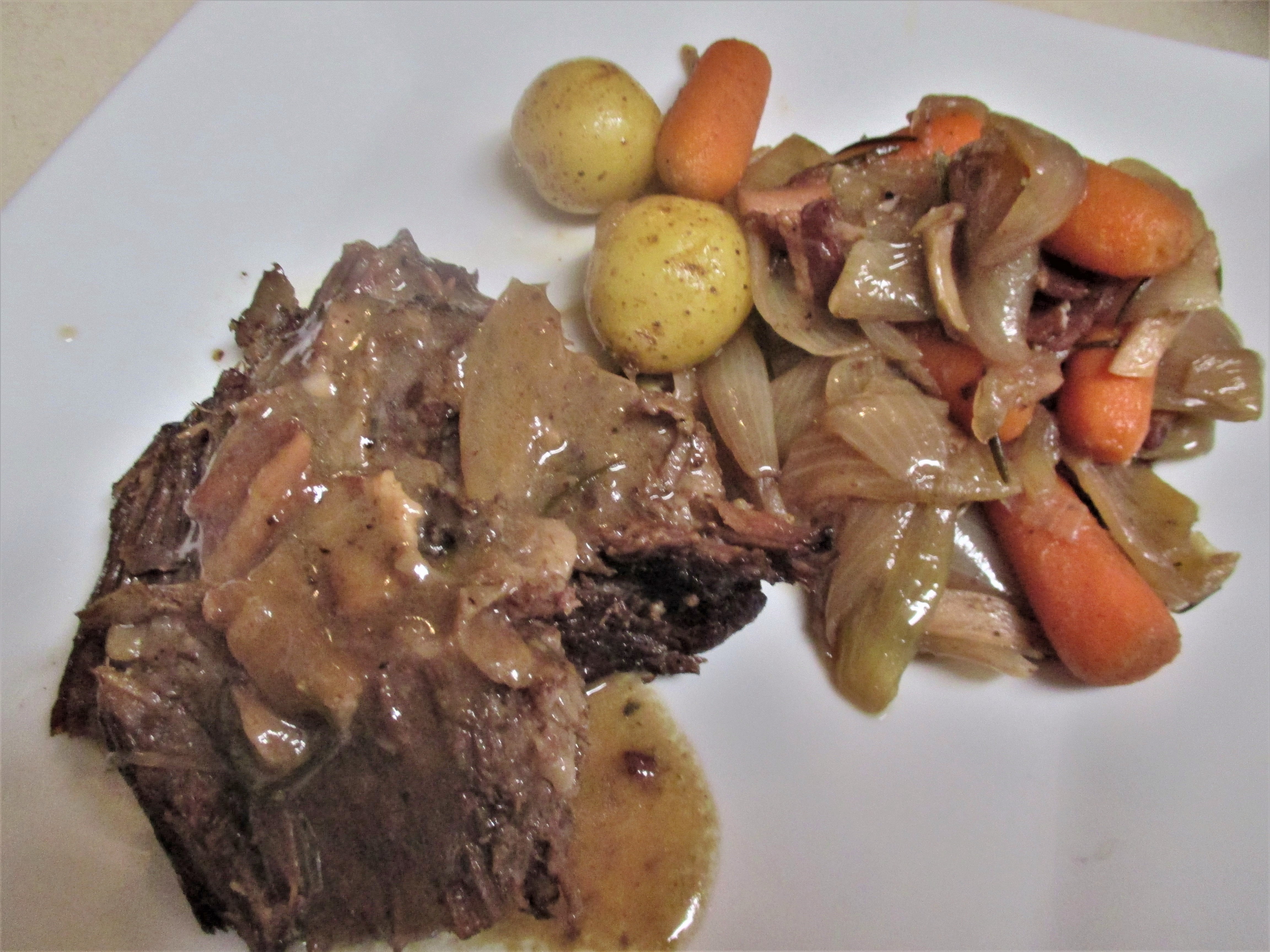
Finally it was time to bring it all together. The roast was perfectly done. Tender and juicy, but holding itself together. I admired its beautiful brown crust as I moved it to the platter.  I lifted all the lovely vegetables out of the pan and heated the golden liquids on the stove adding a splash more of wine to help loosen all the yummy bits. I shook up a slurry of water and flour and whisked it into the gravy. I let it bubble for a few minutes while I cut the roast into respectable slices.

Mama D's Perfect Pot Roast
Print Recipe
Servings
6
Servings
6
Mama D's Perfect Pot Roast
Print Recipe
Servings
6
Servings
6
Ingredients
Servings:
Instructions
  1. Season the roast generously with salt and pepper. Heat a 6 Qt. Dutch Oven over high heat.
  2. Add the olive oil to the pan and let it get hot. Add the meat and sear until well browned on all sides. Remove the roast from the pan and set it aside.
  3. Reduce the heat to medium. Add the bacon and let it soften for a minute or two. Add the onions and toss to coat. Cook until the onions begin to soften. and brown.
  4. Add the garlic and cook a couple of minutes longer. Remove the pan from the heat and nestle the roast back in.
  5. Combine the stock, wine, and worcestershire sauce. Pour around the roast. The liquid should come about halfway up the roast.
  6. Tuck the rosemary sprigs around the meat. Cover the pan and place in a preheated 300 degree oven. Roast for 1-1/2 hours
  7. Add the potatoes and carrots to the pan, tucking them around the roast. Cover and continue to roast until the vegetables are tender, approximately 1 hour.
  8. Remove the roast from the pan and allow to rest for 10 minutes. Remove the vegetables with a slotted spoon and keep warm. Leave all the liquid in the pan.
  9. Place the pan on medium heat and add a splash of wine. Scrape up any brown bits. Shake together the flour and water and stir into the pan liquids.
  10. Simmer the gravy until it thickens. Slice the meat. Drizzle with a little of the gravy. Put the rest of the gravy in a bowl to pass at the table. Serve with the vegetables.
Share this Recipe
Powered byWP Ultimate Recipe

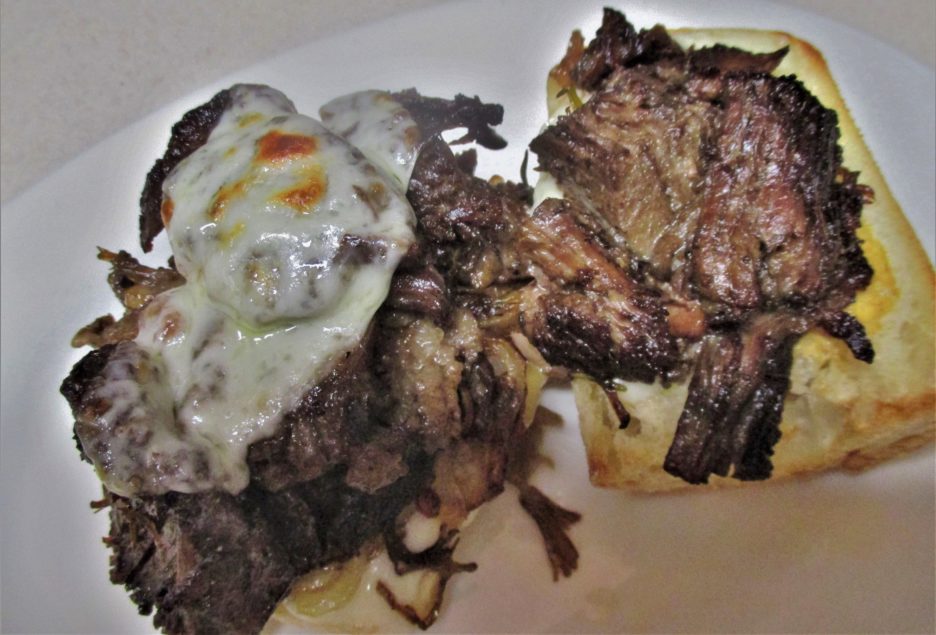
The result was a plate of goodness. The roast was oh so tender and still tasted like the wonderful beef that it was. The veggies were melt in your mouth delicious. We cleaned our plates and filled them again. We made ourselves stop so that we could enjoy Pot Roast sandwiches on another day.

At Summer’s End…Corn & Tomatoes

It is the middle of September here in Illinois. Our Summer (and what a summer it was) is winding down, but isn’t quite ready to surrender to Fall. As much as I love Fall, these last summer days are quite splendid. A most recent one was everything a day at this time of year should be; warm and sunny, and best of all very little humidity.

It was a day for an outing. Nothing big or extravagant, just some time to be out in weather that we will be wistfully looking back on in a few months. We ventured out to Oswego, a small town not far from home. Like many towns in this area it was originally a farm town that has succumbed to a bit of suburban sprawl in recent years. In spite of that, there are still areas that hold on to that small town charm.

Our first stop was at Fox Valley Winery. This is a family owned winery that we have visited for many years. Father and son have been making wine using mostly Illinois grapes for longer than that. While many of the wines are sweet, there are several that are delightfully dry, and one was the perfect choice for this day.This Rose is a blend of Landot Noir, Vignoles, and Chambourcin grapes all grown in Illinois. The result is a dry rose with a lot of body and just the right amount of fruitiness. Paired with a modest cheese plate  and enjoyed on the patio it was a delightful lunch. Even though the winery sits on the edge of a semi-busy highway, the lush hedges and beautiful surroundings make it easy to tune out the occasional road noise. When the colder weather does arrive, we will move inside to enjoy another wine, Petite Pearl, in front of the massive fireplace.

As we sat and enjoyed our wine and cheese, we mused about the plan for dinner. This is Illinois corn country and having grown up here we are corn snobs. While we will occasionally try “imported” corn, nothing tastes better than corn grown close to home. This is by the calendar a little late for corn around here, but this has been an unusual Summer and we wondered if  there might be a farm stand that still had corn. As luck would have it, a quick Google search told us that there was a farm stand nearby that might be able to help us out. That led us to Keller’s.

While not quite as big as some “Farm Stands” in the area, Keller’s does offer activities and wares three out of the four seasons. Like me, Keller’s is on the cusp of the changing seasons; offering the end of the summer bounty while constructing their Corn Maze and laying out their Pumpkin Patch. The barn was in transition as well. Bags of apples (they have a Pick Your Own Orchard) and bins of gourds, and mini pumpkins shared space with corn, tomatoes and peppers.

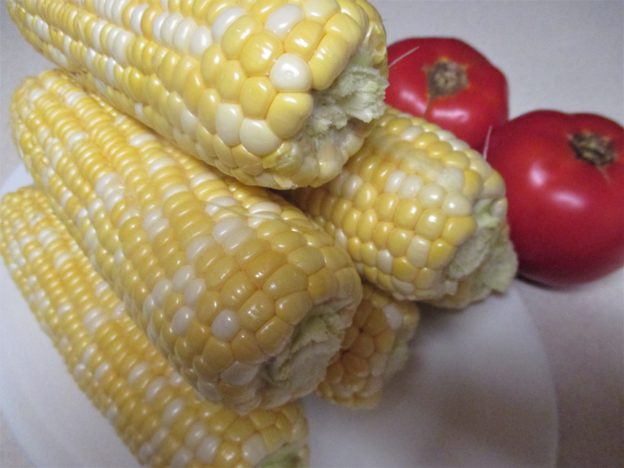
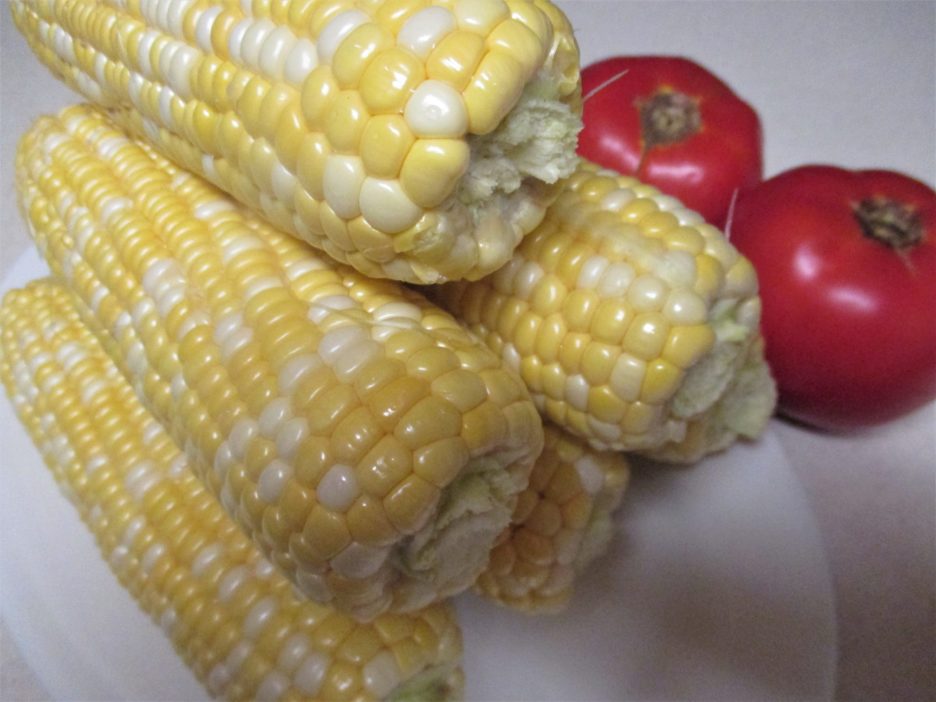
After a quick stroll around the barn, we headed for the corn table. We filled our bag with as much as we thought we could eat at one meal (Papa Diehl’s appetite for fresh corn is somewhat of a legend). Knowing that I was going to need the biggest pot in my kitchen, I opted to round out the meal simply with some fresh tomatoes. I figured that I would decide on the protein later. With our treasure trove of corn and tomatoes it really didn’t matter. The husked corn and ruby tomatoes were things of beauty.

Here is how I cook corn: Fill a pot big enough for the corn to have some room with water. Add the corn and about a tablespoon or two of sugar. Cover the pot and bring it to a boil. Once it comes to a boil, turn off the heat and leave it on the burner covered for about 20 minutes (a little less time if the ears are small). Serve with butter, salt, and pepper to taste. That’s it. Pretty straight forward and it always works.

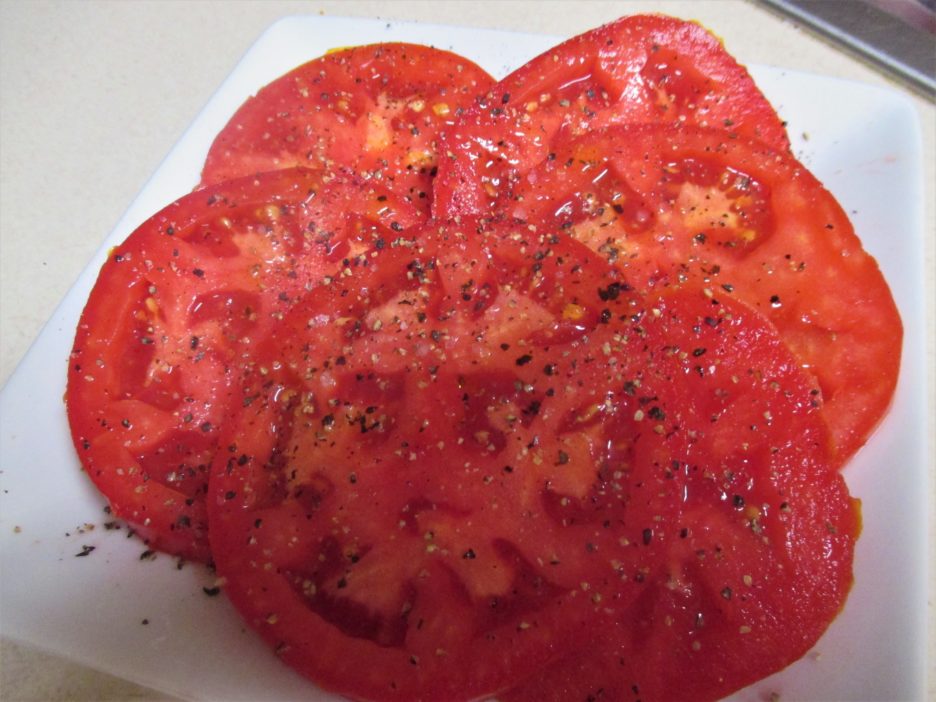
The tomatoes were so beautiful, sweet, and juicy that all they needed was salt pepper and a drizzle of olive oil.

So we toasted the end of summer with another glass of the Fox Valley Rose as we ate the corn and tomatoes to our hearts content. I think that there might have been some Grilled Country Ribs (that are now in the refrigerator) on the plate, but it really didn’t matter.

When I think back about this summer, this may be one of my fondest memories; sweet corn that has just enough juicy crunch to delight the palate and the sweet and salty taste of sliced tomatoes. So simple, so fresh, so perfect.

Panzanella-Palooza: The Summer Edition

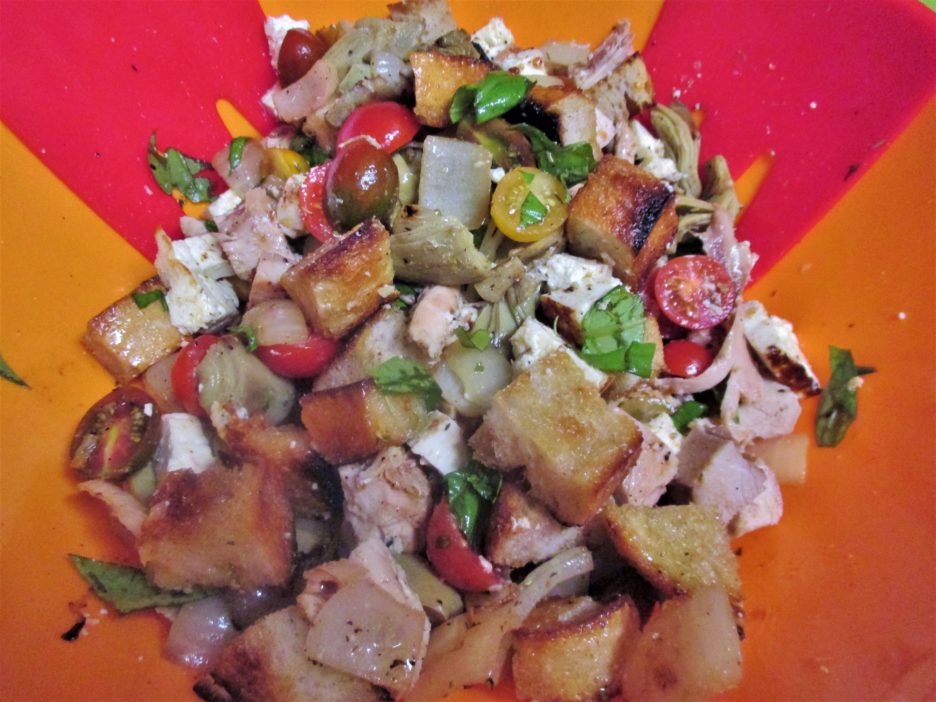
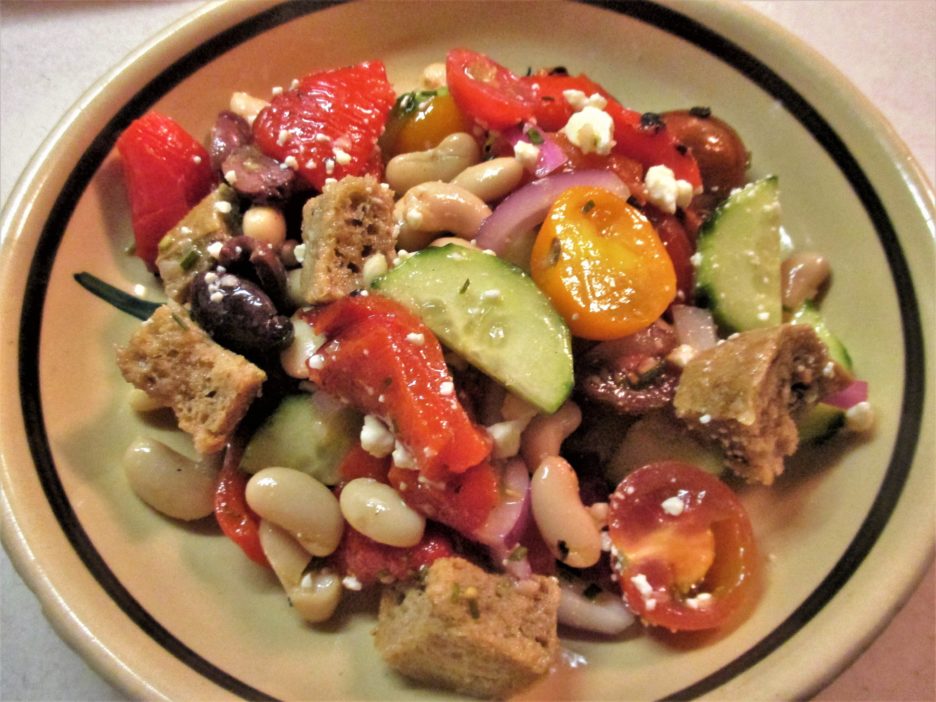
Over the years I have sung the praises of the Panzanella Salad. Italian peasant fare, vegetables combined with dry bread cubes and a vinaigrette dressing. It is an established fact that if it is summer there will be panzanella salad in Mama D’s Kitchen of Love. This summer is no exception. In fact it has become the reigning go to supper here, appearing at least weekly in various shapes and forms.

Panzanella got its start in Tuscany long ago with onions being the star of the show. Later tomatoes took over that position and modern panzanella was born. Bread, usually stale has also been a principle player. Thrifty Tuscans didn’t want even the most stale bread to go to waste so they would soak it in water and add vegetables to make a meal. This is probably how it got its name. Pane means bread and zanella means deep bowl. If you have wet bread and vegetables you are going to need a deep bowl.

Making so many Panzanella salads this summer I have come to a few conclusions. I wanted to share some of those along with a recipe or two in case you want this to be your Panzanella-Palooza Summer, too.

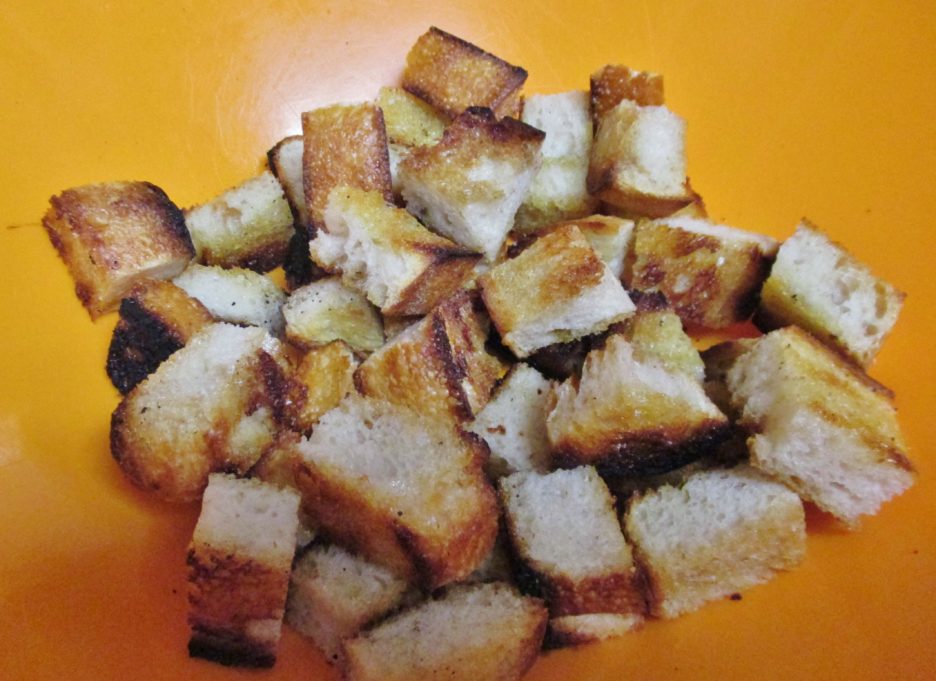
  1. The bread you use is important, it is bread salad after all. The bread should be sturdy, crusty and maybe a little stale. Sourdough is my current bread of choice. I am always searching for a loaf that has the flavor and smell to take me back to San Francisco. La Brea Bread Company (available at Caputo’s) makes one and I just got another great loaf at Mariano’s bakery. Don’t worry if your bread isn’t stale. You backyard grill or even your oven can create the perfect croutons for your salad.There are lots of other good choices including Ciabatta and French. I’ve made several wonderful salads with Multigrain Baguettes as well. Use what you love or have on hand.
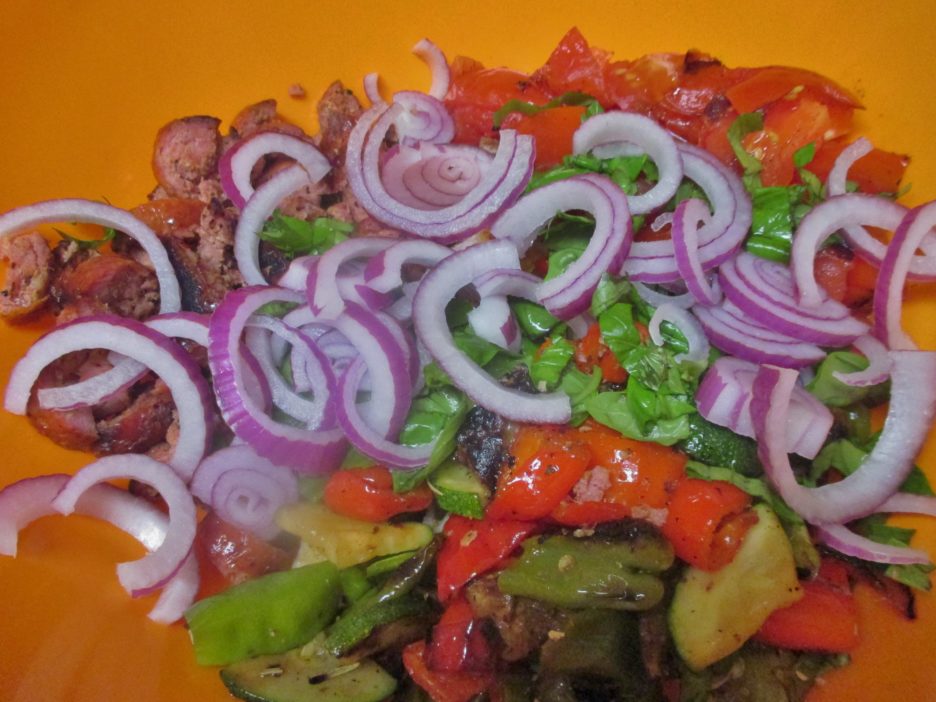
  2. Tomatoes get lonely so give them some company. Summer vegetables are hitting their stride right now and most of them play well with tomatoes. Onions should always be invited to the party. Cucumbers, bell peppers, summer squash and zucchini are great bowl mates too. Artichoke hearts (I use frozen for convenience) are a welcome addition as well. If you love the vegetable it will love being in your salad.
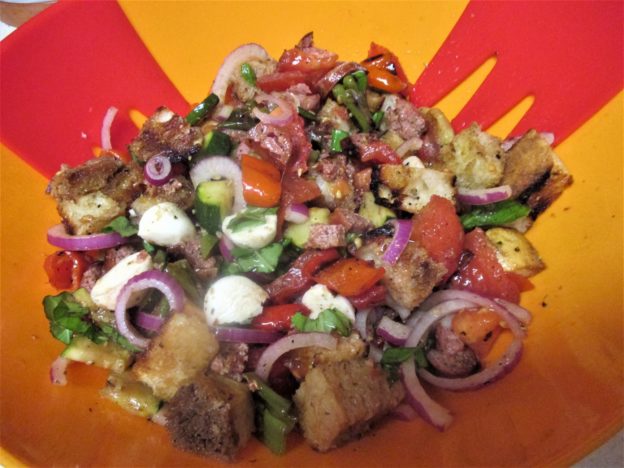
  3. Having a variety of vegetables makes for great flavors. Having a variety of textures makes for a great salad. I like to mix raw and cooked vegetables to achieve that wonderfully interesting balance. This summer, I have been grilling many of the vegetables. Tomatoes, onions, and peppers have all had a turn on the grill before jumping into a salad. Tomatoes grilled just enough to release their juices combine beautifully with crunchy red onions….etc.
  4. When it comes to dressing, simple is probably better. The recipe below is not very complex, but if you are feeling a bit fancy it is a great match up to any salad.
    Mediterranean Vinaigrette

    A twist on the classic vinaigrette with plenty of lemon and more than a hint of garlic. Add any fresh herbs of your choice. This is wonderful on a Greek salad, but it would be equally delightful as a dressing for grilled vegetable or a pasta salad. It makes a great marinade as well.

    Ingredients
    • 1 Medium Lemon Juice and zest
    • 2 Cloves Garlic Grated
    • 1/4 Cup White Balsamic Vinegar
    • 1/2 Tsp. Red Pepper Flakes Optional, to taste
    • 3 Tbsp. Chopped Fresh Herbs Parsley, thyme, basil, or you choice
    • Kosher Salt and Pepper To taste
    • 1 Tsp. Dijon Mustard
    • 1/4 Cup Olive oil
    Instructions
    1. Combine all of the ingredients in a jar with a tight fitting lid. Shake until completely blended. Allow to rest in the refrigerator for at least one hour.

    As the summer has gone on, I have stripped it down. Some good olive oil warmed with a few smashed garlic cloves is a lovely base. Combined with a flavorful vinegar, salt and pepper it lets the beauty of the vegetables shine through.

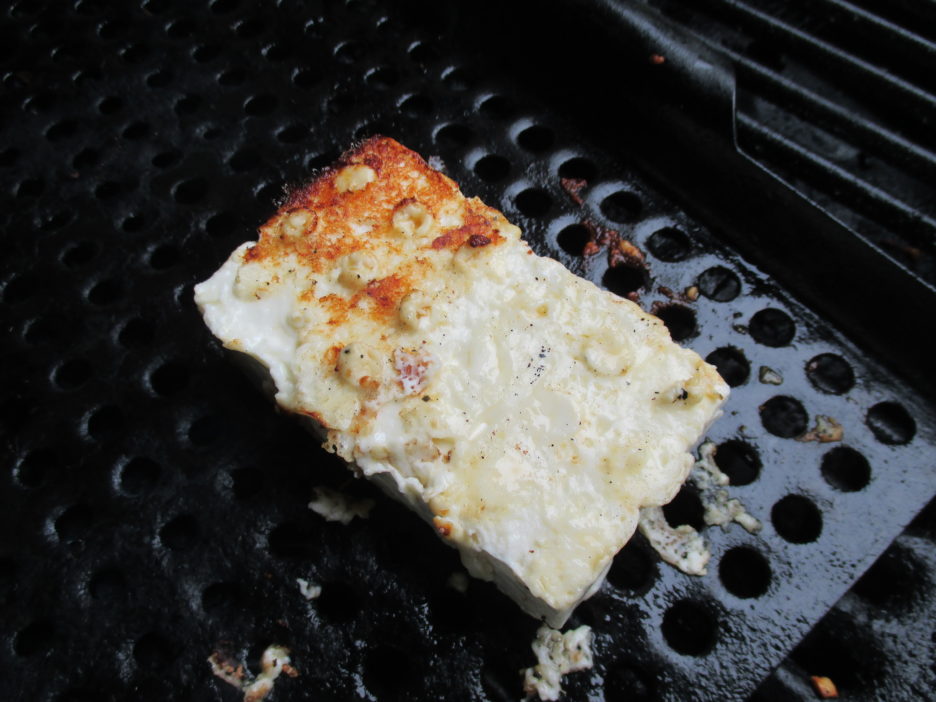
  5. Add some protein and make your salad a meal. Use anything that sounds good to you. Leftover chicken, cured meats, beans, grilled sausage or steak all work well. Then there is cheese. Who doesn’t love cheese? Fresh mozzarella or cubed Asiago have found there way into my salads, but the best discovery has been Grilled Feta. It is firm and dense enough to hold up to the grill’s heat though it does need to be watched carefully. The time and effort is worth it.
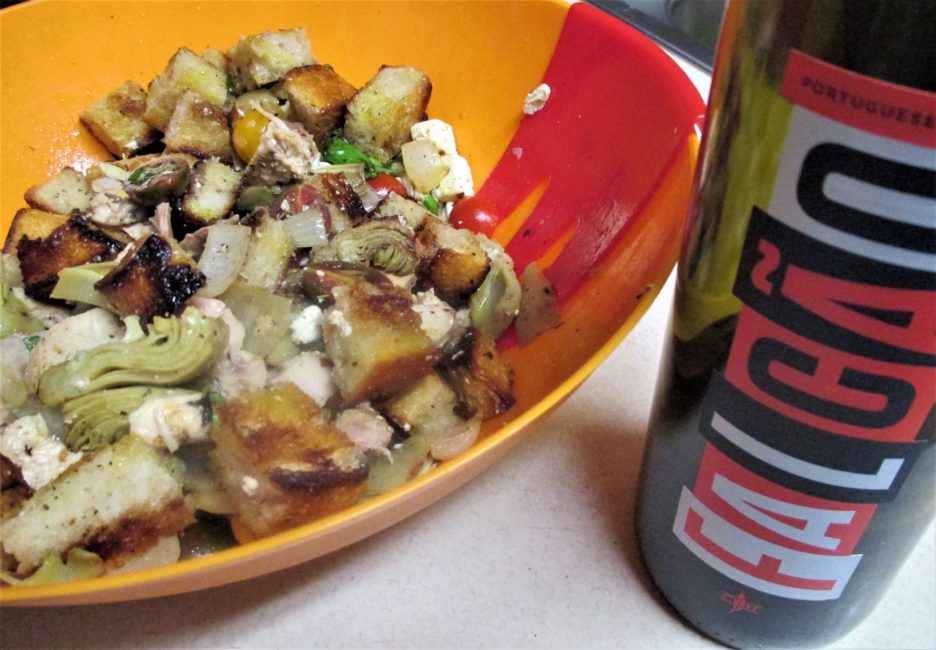
  6. Herbs make everything better. Chop up a handful of whatever you love and add them to the salad. Basil, parsley, and chives are my current go tos.Here is a Basic Recipe for a Summer Panzanella Salad…it is very grill forward and leaves room for all kinds of interpretation.
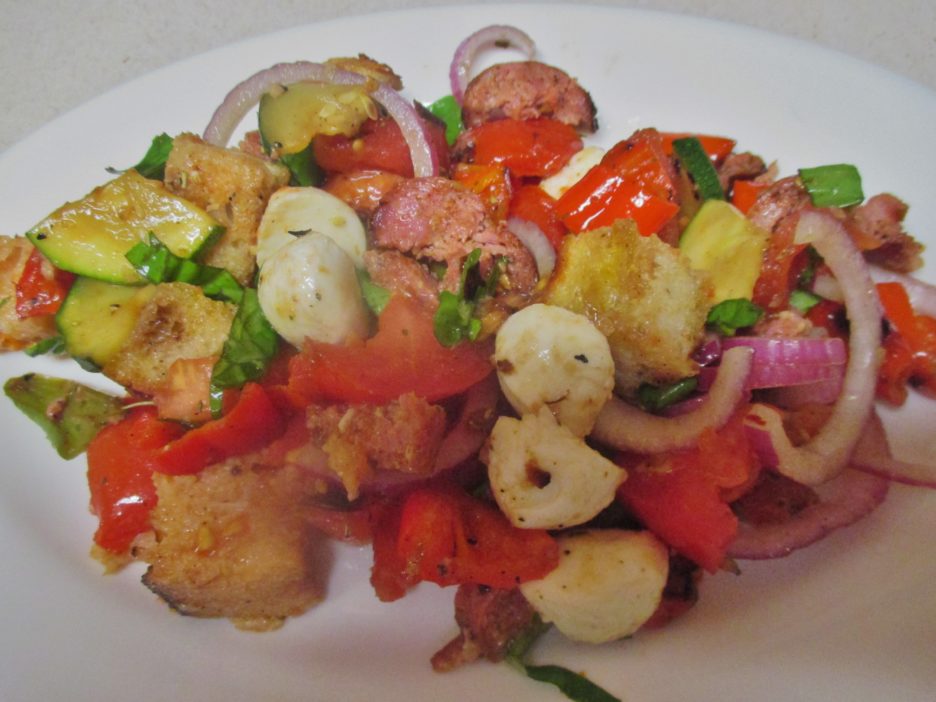
    Summer Panzanella Salad

    A basic recipe for Panzanella salad that takes advantage of Summer's bounty.

    Servings: 2
    Ingredients
    • 3-4 Ounces Crusty Bread Stale is great!
    • 1/4 Cup Olive Oil
    • 2 Cloves Garlic Smashed
    • 1 Medium Onion Any variety
    • 2-3 Medium Tomatoes
    • 2 Cups Chopped Vegetables Whatever you love
    • 1/2 Cup Chopped Herbs Any variety to taste
    • 2 Tbsp. Vinegar Your choice
    • 1 Cup Chopped Protein Anything
    • 2 Ounces Cheese
    • Salt & Pepper To Taste
    Instructions
    1. In a small pan heat the oil and garlic gently . Once the garlic begins to sizzle take it off the heat and let it steep.

    2. Slice the bread about 1 inch thick. Brush both cut sides with a little of the olive oil and toast in the oven or on the grill. It should be dry and lightly browned. Let it cool then cut it into cubes. Place in the bottom of a deep bowl.

    3. If you are grilling vegetables, brush them lightly with some of the garlic olive oil and place on a medium grill. Tomatoes can be cut in half horizontally  and will only take a few minutes. Cherry tomatoes can be skewered. Other vegetables whether cooked whole or chopped should be tender and lightly charred. Cut any whole vegetables into bite size pieces. Put these on top of the bread cubes.

    4. Cut or chop raw vegetables into bite size pieces. Roughly chop the herbs. Cut your protein into bite size pieces as well. All of these can be put on top of the bread cubes. Toss everything together.

    5. Add the vinegar to the remaining garlic olive oil and season with salt and pepper. Mix well. Pour the dressing over the salad and toss to combine. If the salad seems a bit dry add a bit more olive oil. 

    6. Let the salad sit for 15-20 minutes to allow the flavors to blend.  Taste and adjust any seasonings. Divide between 2 plates and serve.

    As you can see, this is a very general and basic recipe that will lend itself to any direction you want to head in. There are so many vegetables that would enjoy winding up in this kind of salad. Play around..that’s part of what Summer is all about. Know too, that as Fall approaches and winter comes along, there will be lots more Panzanella Salads.

3 Nights on the Grill, 3 Marinades, a Tip, and a Hack

Memorial Day Weekend is here. While the most important part of this time is to remember those who have fought and are fighting to keep our country safe, it is the unofficial start of Summer.That means it is officially grilling season in Mama D’s Kitchen of Love.

We do grill almost year around, but it is so much nicer when you don’t have to put on a winter coat to do it. Our little grill is still performing wonderfully and the adaptations we have made to size and heat are now second nature. We continue to discover new things that cook beautifully on the grill, as this post will show. We’ve done a one dish meal, grilled chicken (and an array of other proteins), and even a single ingredient for a recipe. This last being easy on a small grill that can be ready in 5 minutes.

Now for that One (Grill) Basket Meal. I was inspired by a plethora of Sheet Pan Fajita Recipes. So, I decided to move my ingredients from the oven to the grill. This will work with any fajita recipe with just a bit of adaptation. My protein of choice was chicken breast. A Bag-o-Bits was in the freezer and this seemed like the perfect use for it. Marinating helps flavor the meat and amends the too long in the freezer time. This marinade would work for any protein that you want to give a citrusy southwestern flavor to.

Grilled Fajita Marinade

This is a basic recipe that will work for chicken, beef, or pork. The ingredient amounts suit me, make any adjustments to suit yourself.

Author: binner216@comcast.net
Ingredients
  • 1/4 Cup Fresh Lime Juice
  • 2 Tbsp. Canola Oil
  • 2 Tsp. Dried Minced Onion
  • 2 Tsp. Dried Minced Garlic
  • 1 Tsp. Ground Cumin
  • 1/2 Tsp. Ground Coriander
  • 1 Tsp. Ancho Chili Powder
  • 1/2 Tsp. Agave Syrup
  • 1/2 Tsp. Salt
Instructions
  1. Mix all of the ingredients together. Pour over 1 pound of your protein of choice. A zip top bag works well for this. Toss to coat all the protein. Allow to marinate in the refrigerator 4-6 hours.

  2. Remove protein from marinade. Throw the marinade away. Grill your protein to your liking.

This brings me to a hint that I want to share. I used (and will continue to use) dried onions and garlic in this marinade. Time saving was my first reason to use them. Yes, it doesn’t take much time to chop up onions and garlic, but it takes even less time to toss in their dried counterparts. I think they also impart more flavor, especially in long marinating. These are not new ingredients; they have been around forever, If you have relegated them to the back of the spice cabinet, throw them away and buy new jars. As with any spice they lose flavor as they age. They are relatively inexpensive so this is not a big waste.


I had a craving for something Asian inspired. Boneless chicken thighs are my favorite poultry for the grill. They cook quickly and have enough fat to remain tender and juicy. This marinade started with orange juice and combined a host of aromatic flavors to create a marinade that would also work with pork. I opted for all fresh ingredients and gave them a quick whirl in my mini processor. Once the thighs had absorbed the flavors they were joined by Baby Bok Choy and thick Red Onion slices.

Asian Marinade for Chicken or Pork

this marinade will give your protein of choice a decidedly Asian flavor. If you like things on the spicy side add a teaspoon of Sambal.

Author: binner216@comcast.net
Ingredients
  • 1/4 Cup Fresh Orange Juice
  • 1/4 Cup Reduced Sodium Soy Sauce
  • 1 Small Finger Ginger Root
  • 2-3 Cloves Garlic
  • 1 Tsp. Sesame Oil
  • 2 Tbsp. Red Onion
  • 1/2 Tsp. Agave Syrup Optional, to taste
Instructions
  1. Place all ingredients in a mini processor. Pulse until the ingredients are coarsely chopped.

  2. Place the chicken or pork in a zip top bag. Pour the marinade in and seal. Knead the bag a few times to coat the protein. Marinate in the refrigerator     4 -6 hours. Remove the protein from the marinade and grill. Discard the remaining marinade.

While we are grilling almost every evening, there are still some things that don’t work. Number one on that list would be pasta. Preparation is best left on the stove. That being said, there are lots of grilling possibilities for what goes in and on the pasta. I made a not so heavy Carbonara recently that featured asparagus. Most vegetables have an affinity for the grill and asparagus is one of my favorites. I usually marinate it in olive oil, balsamic, and Italian herbs and grill the lovely spears until they have that perfect amount of char. The only difference was the spears were sliced into more pasta friendly pieces. (Pencil asparagus would work well whole in this dish.)

I have a confession to make. Sometimes I use bottled Balsamic Vinaigrette. This was one of those times.  I found one that is relatively additive free (at Aldi no less). I added a bit more olive oil and dried garlic and called it a marinade. I have another confession. I do this more often than not with most vegetables that I grill. It saves time and that is always a plus in the summer. So I am considering this to be my third marinade. I guess it could qualify as a hint or a hack depending on your interpretation. Whatever you want to consider it, find a Balsamic or other vinaigrette that you can live with and  enhance it to your liking.

While the asparagus grilled, I made the rest of the sauce. Pancetta, garlic, and red pepper flakes cooked up in a large skillet. Pasta cooked to “al dente” at the same time. I found an interesting technique for the eggs. They were beaten together with the romano cheese and tempered with a some pasta water. Amazingly, no scrambled eggs (yes, that has happened to me once or twice) and a sauce that was creamy without any cream. That little hack is a keeper.

As we enjoy the beginning of summer and the continuation of grilling season, I hope these marinades, hints, and hacks are helpful.


A Reluctant Spring and An Adapted Recipe

I’m sitting here listening to the wind propelling a driving rain at my window. The air is flirting with being warm (sort of), and Spring is more than a week old. This week has been quite unsettled weather wise. It has been warm and sunny and cold and gray seemingly within hours of each other. I know the old adage that if you don’t like the weather in Chicago, just wait an hour, but I (and I know I am not alone) want Spring to come in and stay awhile.

As a seasonal cook, I am anxious to create light and bright meals that are bursting with the flavors of spring. When I’m still wearing my winter coat to shop for ingredients of the season, that kind of inspiration is a struggle. I feel the need to eschew light salads and set my sights on warm and comforting soups.

Long time readers know that I love creating recipes based on what I have on hand and what I have a taste for at any given moment. Readers also know that I do like to take inspiration from someone else’s imagination once in a while, too. When I came across a recipe for a Vegetable Chowder on Facebook, I knew what would be coming out of the Kitchen of Love next.

The recipe features Broccoli, Cauliflower, and Potatoes in a decadent Cheddar Cheese Sauce. Perfect for a Winter evening or an overly chilly Spring one. Thicken the sauce a little more and it could be the kind of side dish that would make a marvelous counterpoint to an Easter Ham. The best of both seasons, so to speak.

While this recipe is an adaptation from Life Made Simple. There was another adaptation before mine. Decatur Macpherson and Twelve Tomatoes also took it for a spin. So, to my knowledge this is the third generation adaptation of this recipe. Every good cook looks at a recipe and immediately starts their own editing process. My initial edit looked like this:

While I really made no major changes to the recipe, I did give it a few tweaks. More cauliflower, less potatoes, and absolutely no celery, because I knew that was how I would like it. Every cook, whether casual or professional, makes changes to a recipe  based on their taste and preferences. I do not like celery therefore I didn’t use it. I wanted a slightly less starch heavy soup so I added more cauliflower and reduced the potatoes. You get the idea. I’m sure you do this in your own kitchen. That’s how creative cooking works.

The soup that resulted was beyond memorable. I took the time to add each vegetable individually. This resulted in cauliflower and broccoli that were still tender-crisp. The broccoli even retained most of its color. The cheese sauce was a study in Yin and Yang. Fat free half & half played brilliantly with the cream cheese and buttermilk filled in for the heavy cream. Never mind the fact that those were the ingredients I had in the house. It was our supper twice within a few days and I’m sad that we ate it all so quickly. Here is what I believe is the Third Generation Vegetable Chowder recipe.

Vegetable Chowder

Adapted from Life Made Simple and Decatur Macpherson/Twelve Tomatoes

Servings: 8
Ingredients
  • 1 Quart Low Sodium Chicken Stock
  • 1 Head Broccoli Cut into florets
  • 1 Small Head Cauliflower Cut into florets
  • 1 Medium Russet Potato Peeled and cubed
  • 1 Cup Sliced Carrots
  • 1 Yellow Onion Diced
  • 4-5 Cloves Garlic Finely chopped
  • 1/4 Tsp. Cayenne More or less to taste
  • 1/2 Tsp. Smoked Paprika Or to taste
  • 2 Tsp. Italian Herb Blend I like McCormick Grinder
  • 1/2 Tsp. Dried Thyme
  • 5 Tbsp. Butter Divided
  • 5 Tbsp. Wondra Flour
  • 2 Cups Half & Half I used fat free
  • 8 Ounces Cream Cheese Cubed & room temp.
  • 2 Cups Shredded Sharp Cheddar Cheese
  • 1/3 Cup Buttermilk
Instructions
  1. Melt 1 tablespoon of butter in a large soup pot over medium heat. Add the onions and carrots and saute for 5 minutes or so.

  2. Add the garlic, paprika and cayenne and cook for another minute or two.

  3. Pour in the Chicken Stock and the potatoes. Bring to a low boil and simmer for 10 - 15 minutes. Add the herbs at this point.

  4. Add the cauliflower and simmer for 5-6 minutes more then add the broccoli. Cook until the vegetables are barely tender crisp.

  5. In a separate pan, melt the remaining butter and stir in the flour. Cook this for 3 minutes or so until the roux begins to turn golden, then slowly whisk in the half & half.

  6. Bring to a low boil, stirring constantly until the mixture begins to thicken. Add the cream cheese cubes and stir until they are melted into the sauce. Finally, stir in the buttermilk. Add this mixture to the soup pot and stir to thoroughly blend.

  7. Lower the heat and add the cheese to the pot gradually, allowing each addition to melt. Heat a few minutes more and it is ready to serve.

This will definitely be appearing again. At this time of year, in this part of the country, there could be another cold snap. Even if there isn’t, the rich creamy goodness of this soup is going to be heating up Mama D’s Kitchen soon.