Thoughts of Spring and Lemony Asparagus, Chicken, and Penne

The Midwest has seasons. Four very distinct ones to be exact. Here changes aren’t subtle, they are sudden and intense. Humidity shows up one day unannounced and it’s summer. The leaves change color seemingly overnight and it’s fall. The first frost comes out of nowhere and winter is upon us, Then one day you wake up to puddles where piles of snow used to be and it’s spring.

The Vernal Equinox is a few days away, but here, in my part of the Midwest, spring arrived last week. A week that started with down coats and scarves, ended with light sweaters. Early in the week outdoor activities involved scraping ice off windshields and brisk walks to get out of the cold. Was that Monday? By week’s end there were bicyclists peddling their spandex covered butts down the road. People were outside walking in shirtsleeves and enjoying it. Children were playing outside joyously unbundled. That’s how spring starts here and after a tough winter we all revel in it.

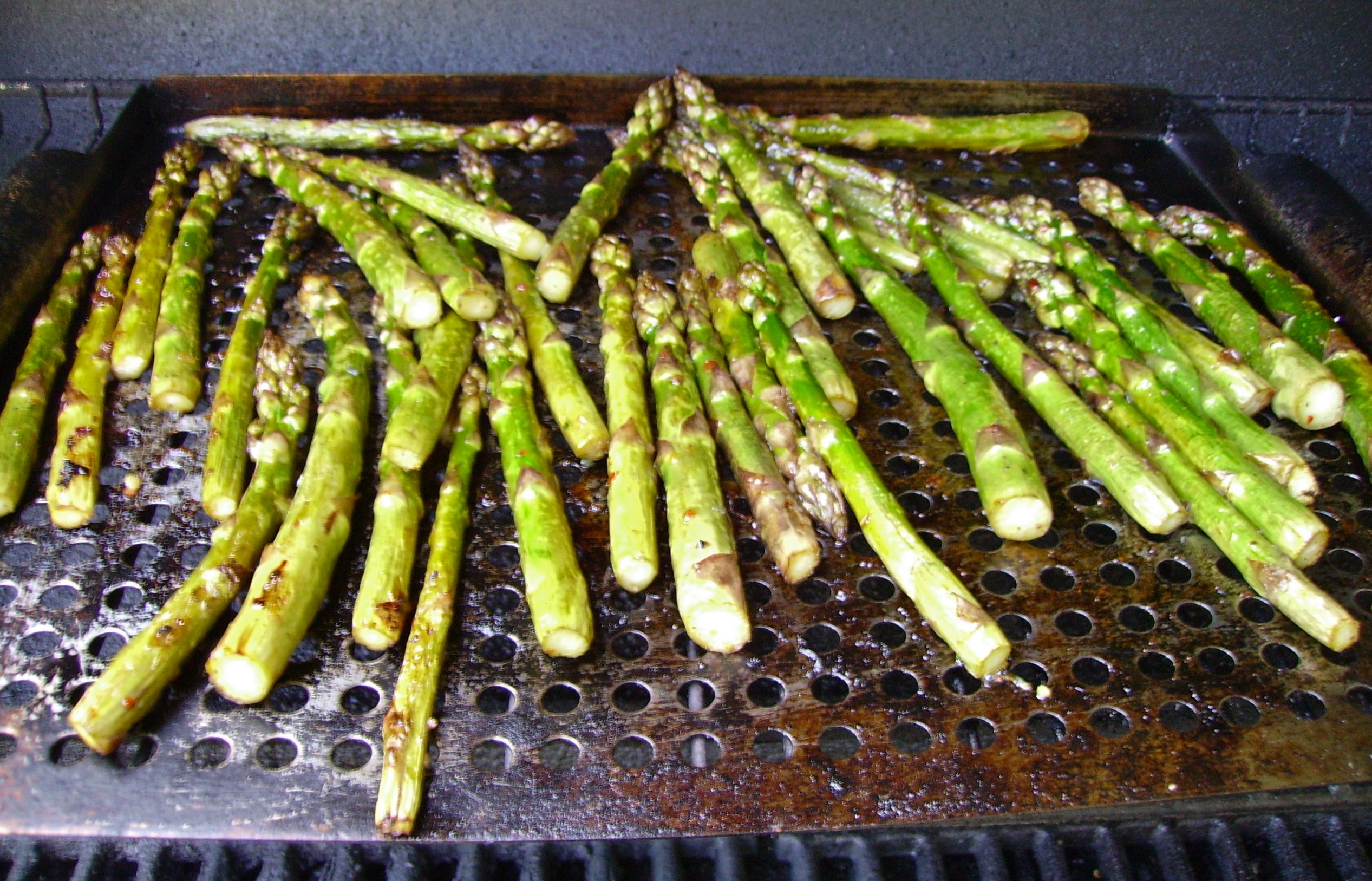
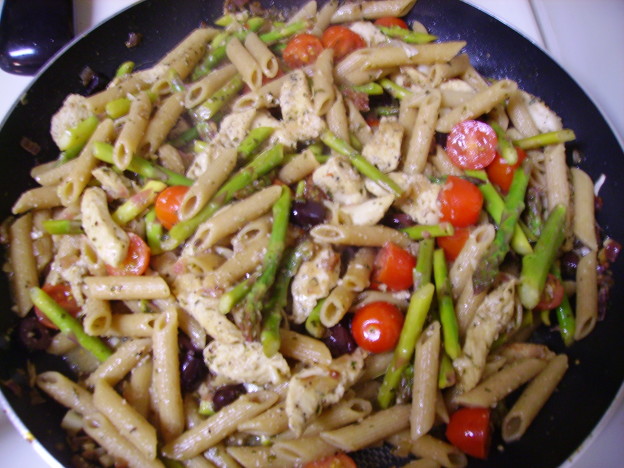
Everyday on the bus, I ride by fields of corn-stalk stubs that are hosting nothing but the bold Canada Geese and brave Mallards. These optimistic fowl nibble at the few corn kernels missed at harvest or bob in puddles of melted snow for some forgotten morsel. There are tastier things Spring has to offer with its own menu of foods. Eating fresh and local is now a fine art. While nothing is actually sprouting in our still slightly frozen Illinois ground, foods like strawberries, beans, and peas are being sourced closer to home. As the saying could go, it’s always spring somewhere. This is true of that iconic harbinger of spring, asparagus. DIGITAL CAMERADIGITAL CAMERAI must confess that I do eat it in the non-spring months, but it alwaysDIGITAL CAMERA begins to taste wonderful as the air starts to warm up. It is a delicious and nutritious vegetable that lends itself to so many preparations. I’ve extolled its virtues here many times. Sharing adventures in grilling, roasting, and even pickling. I usually allow this magnificent spear to stand alone as the perfect side dish to enhance a meal, but sometimes, especially when it comes from far away, it is the perfect addition to a main dish. That’s how Lemony Asparagus with Chicken and Penne came to be.
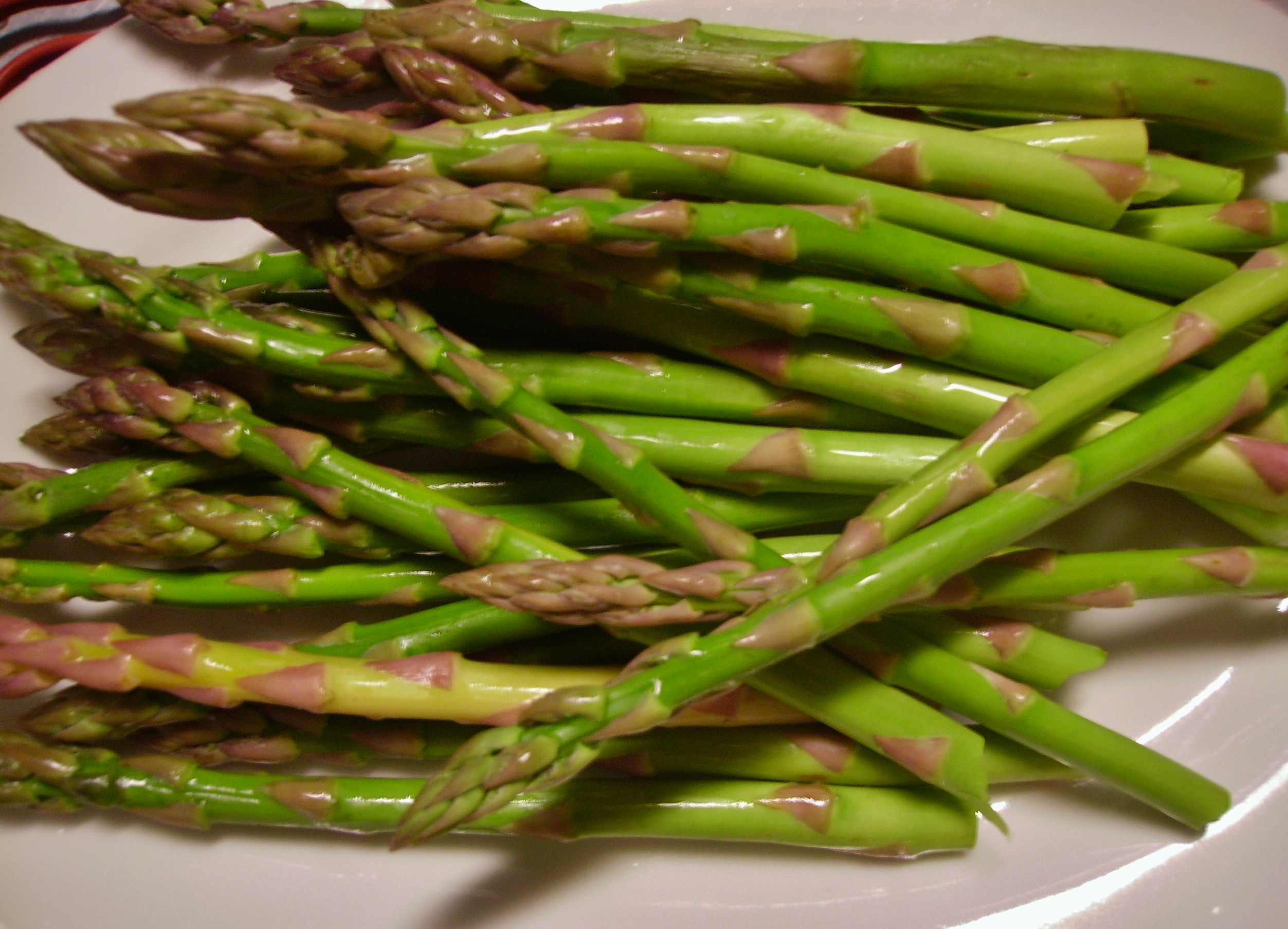
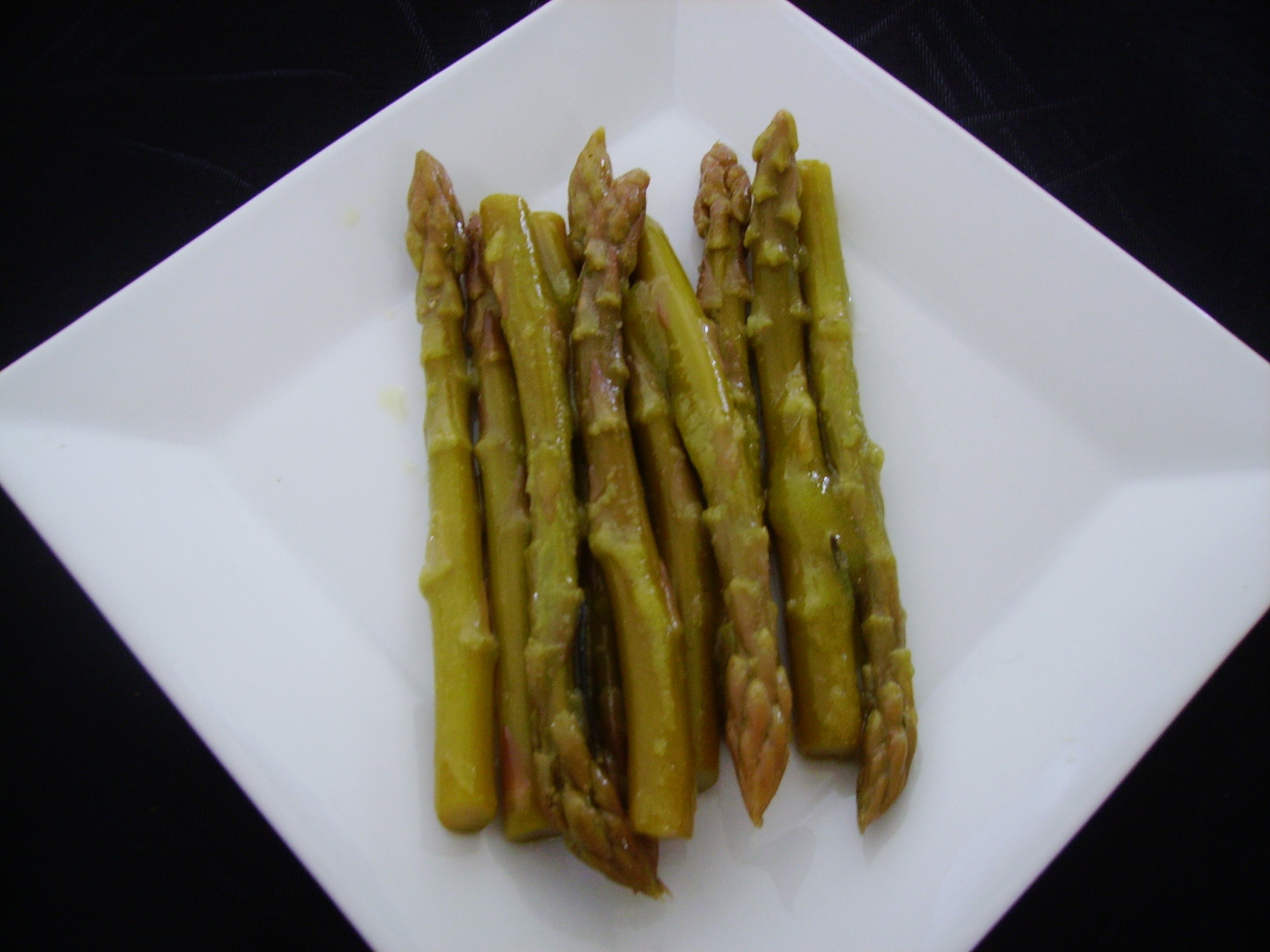
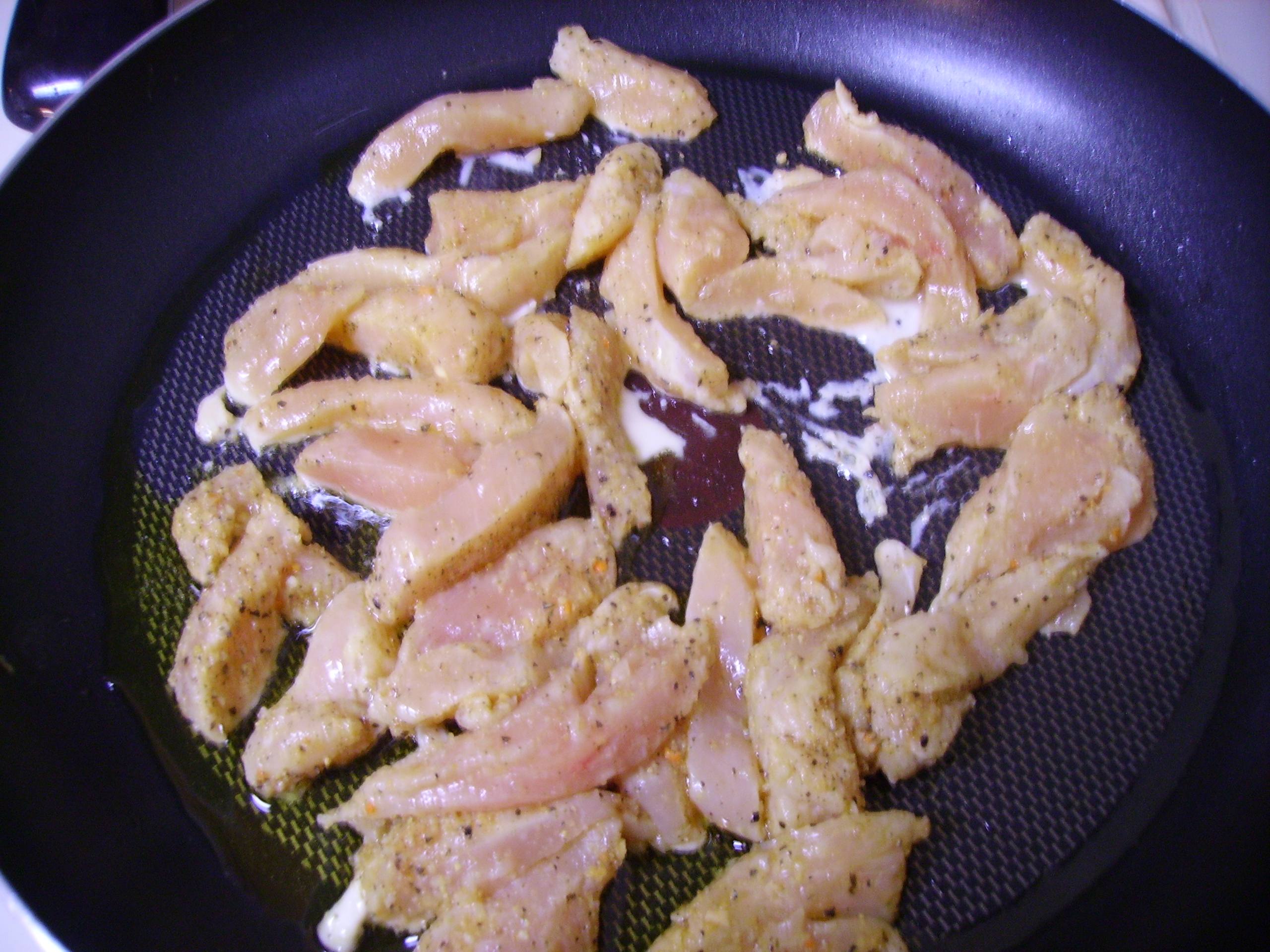
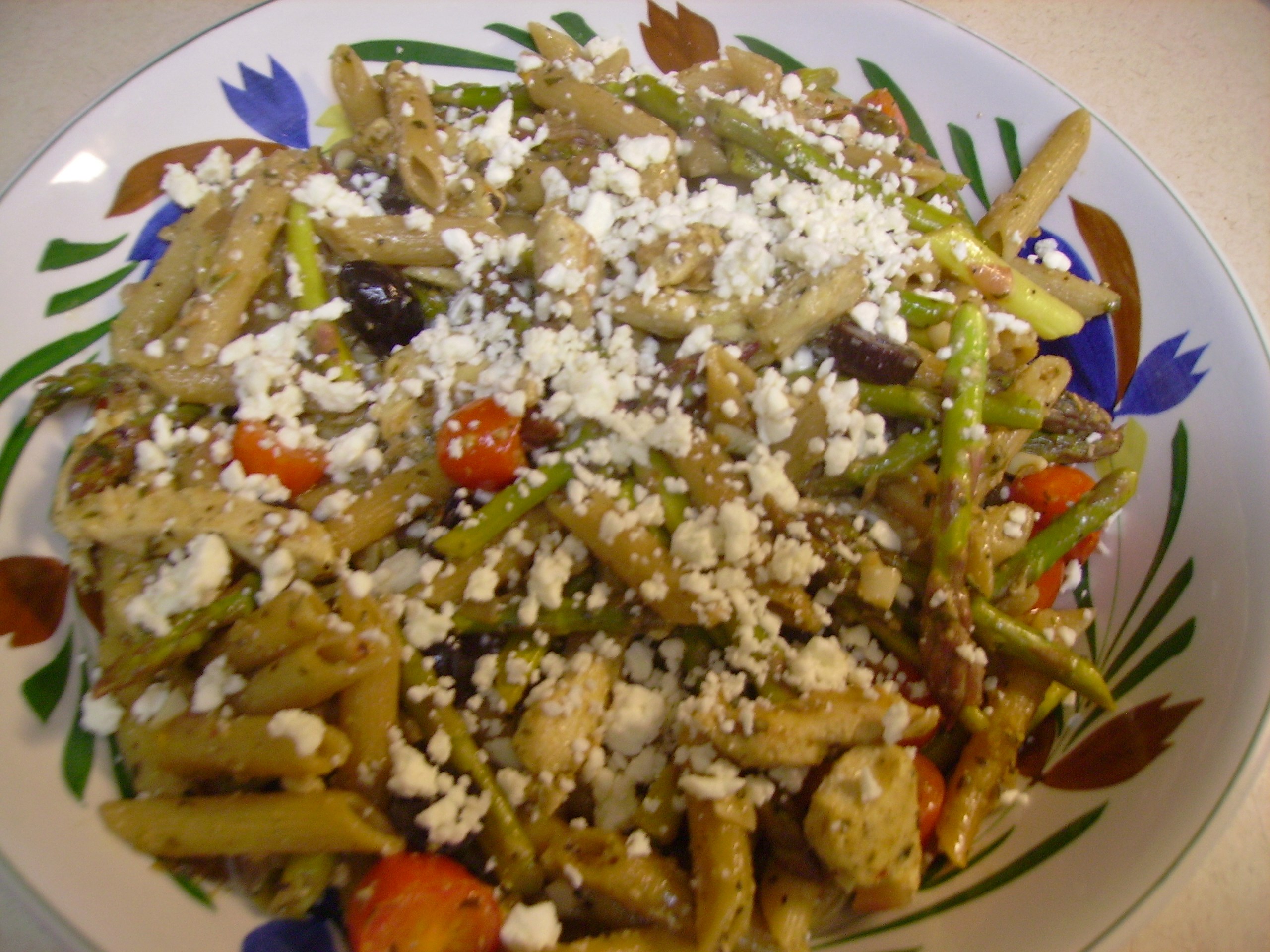
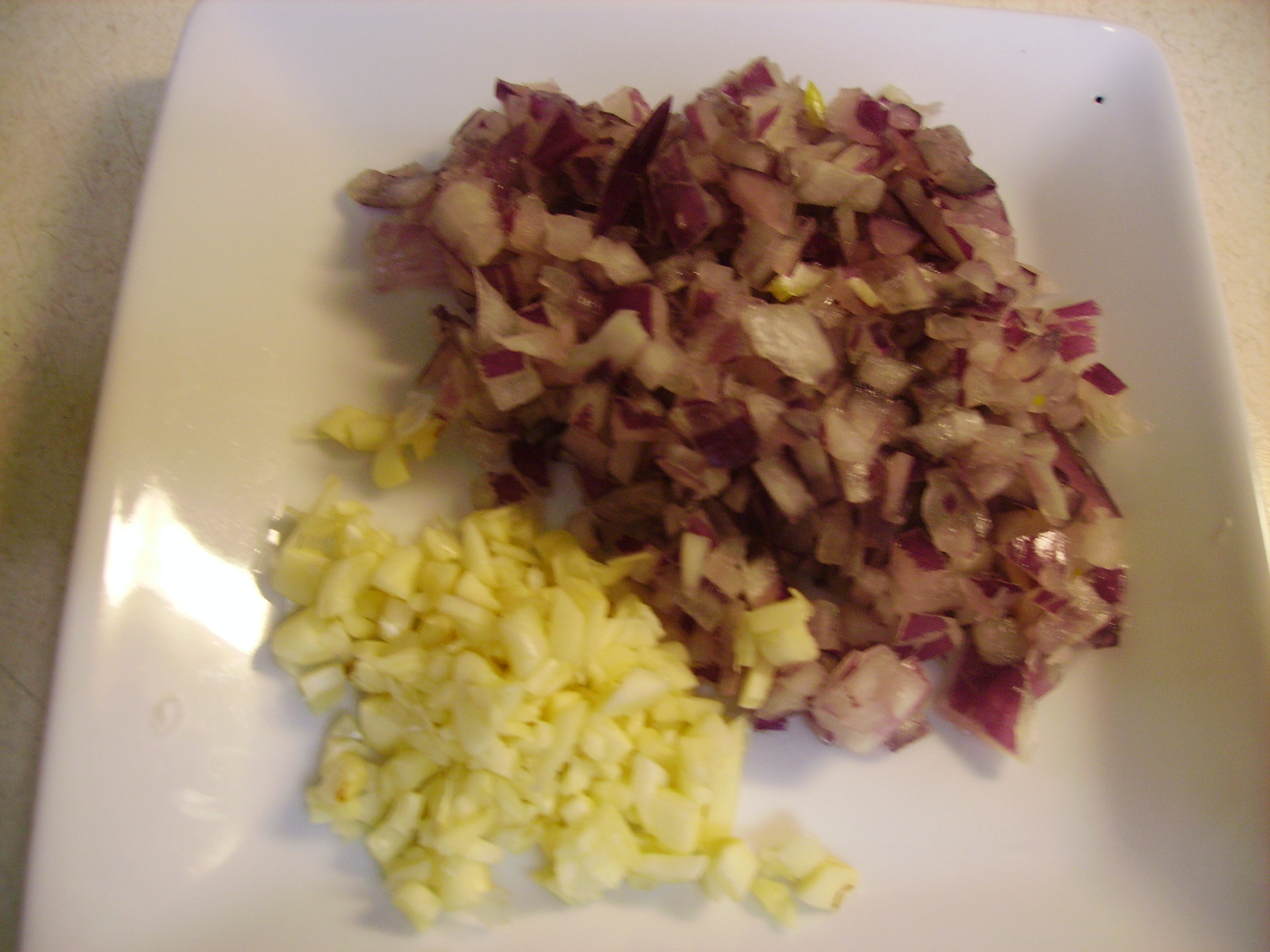
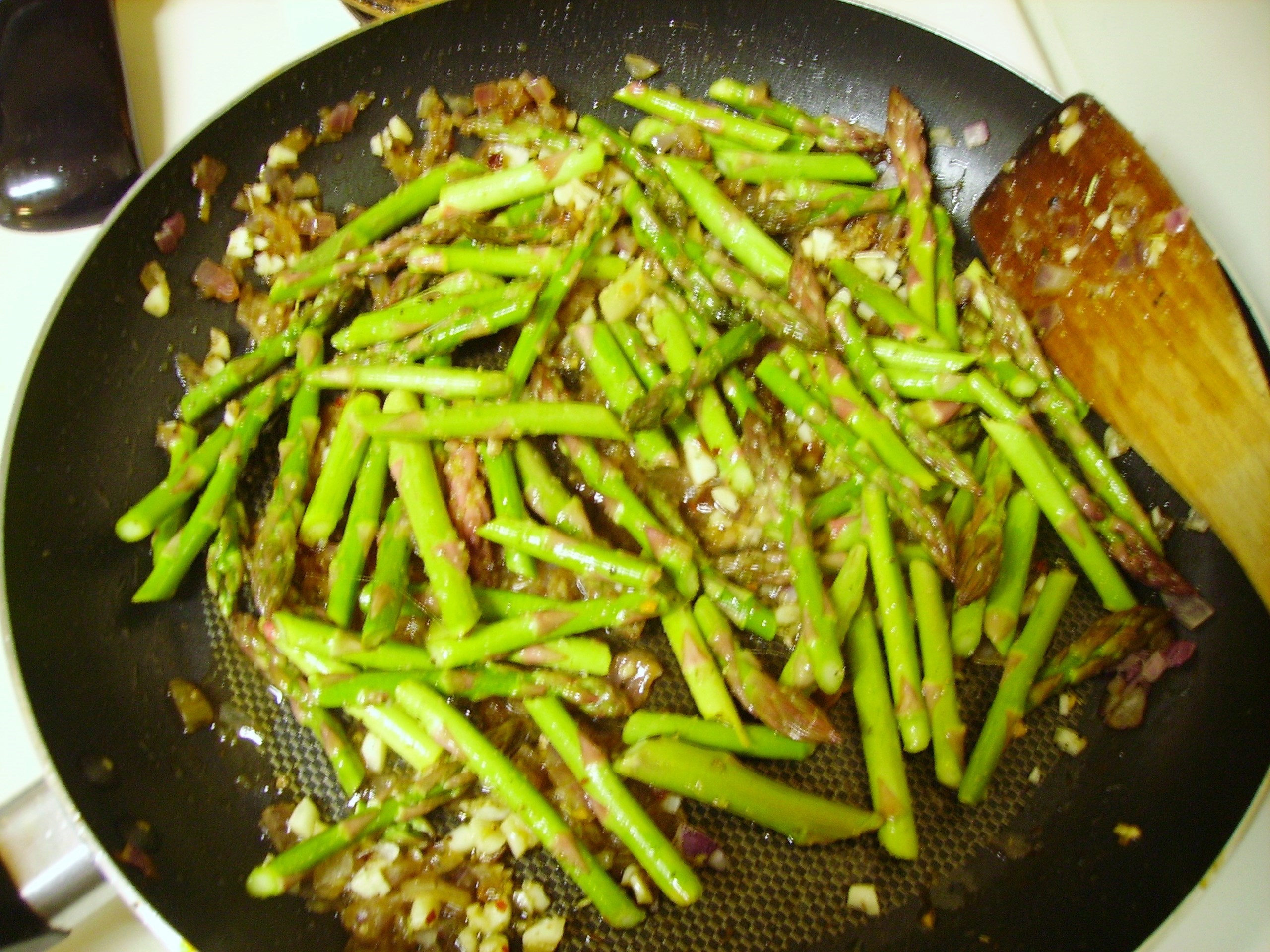
DIGITAL CAMERALemon is a wonderful flavoring agent. It adds zing, acid and a fresh DIGITAL CAMERAfruity taste of sunshine to everything it touches. I carried this flavor into several levels of this dish. it started with some chicken breast bits that I let chill out with some lemon pepper seasoning. This was the salt free variety so there was no danger of the chicken “cooking” before its time. A quick saute in a large fry pan and it was ready to go. It sat on the sidelines while the vegetables took over. A good amount of red onion and slightly more than a little garlic joined in. A touch of olive oil kept everything moving and when things got a little tight some chicken broth loosened it up. Finally it was time to add the asparagus and I added a lot of it. This dish is about spring after all.DIGITAL CAMERA
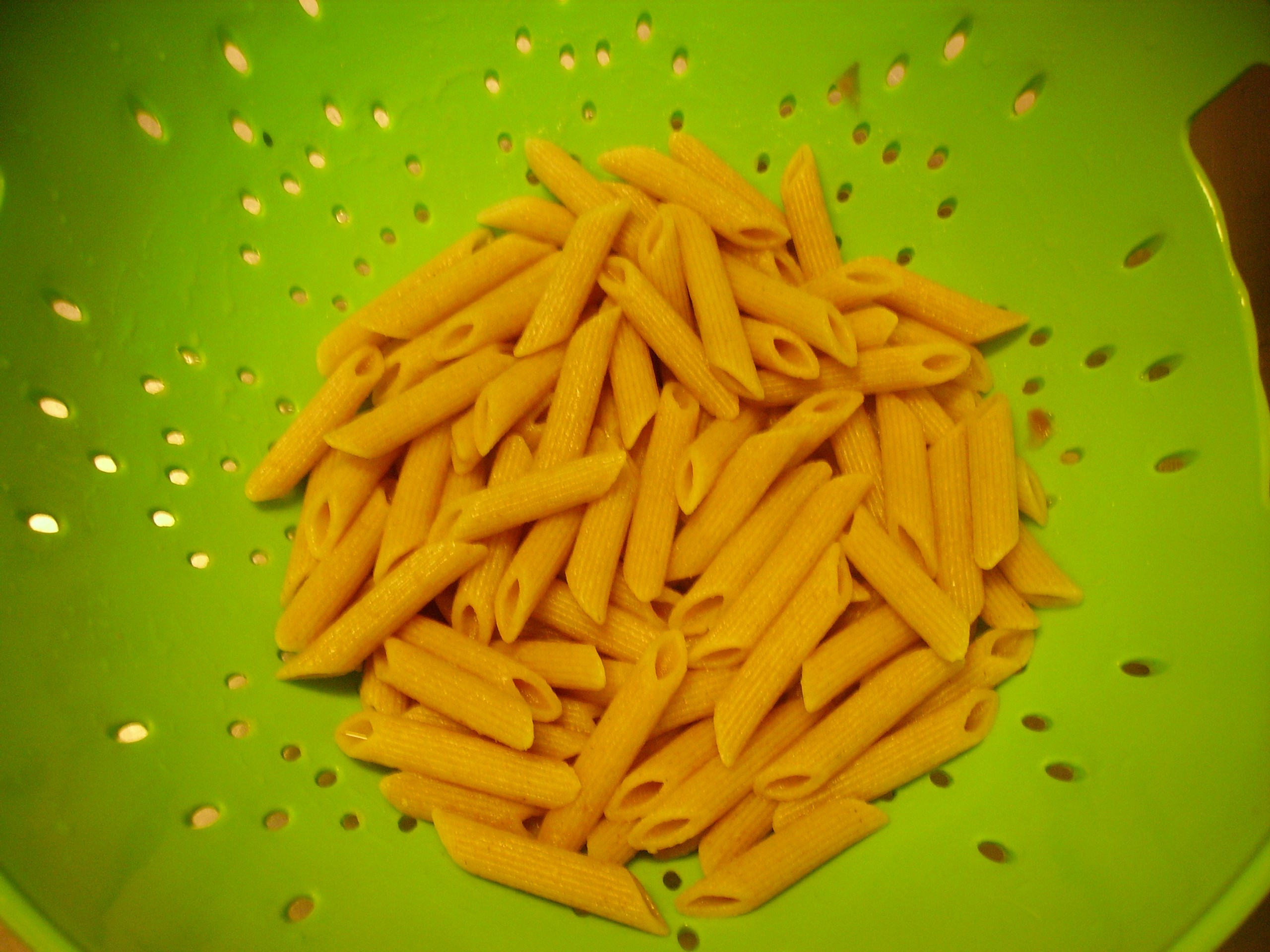
My pasta of choice was a whole grain penne and I used just over a cup of dry to serve two.DIGITAL CAMERAI wanted to continue on that lemony sunshine theme, so the sauce included the zest and juice of a whole lemon. The complimenting sauce flavor came from dry vermouth though chicken broth could also fill the bill.  A generous grinding of Italian Herb Seasoning (McCormick Grinder once again), some grape tomatoes, and kalamata olives rounded things out.DIGITAL CAMERA
When it was time to serve, I added a sprinkling of feta cheese. The result was a dish that felt like spring in the Mediterranean.  Lots of fresh vegetables, a little lean protein and some whole grains to tie it together made this a poster child for the diet that bears the name. Give this one a try while asparagus is having its heyday.DIGITAL CAMERA
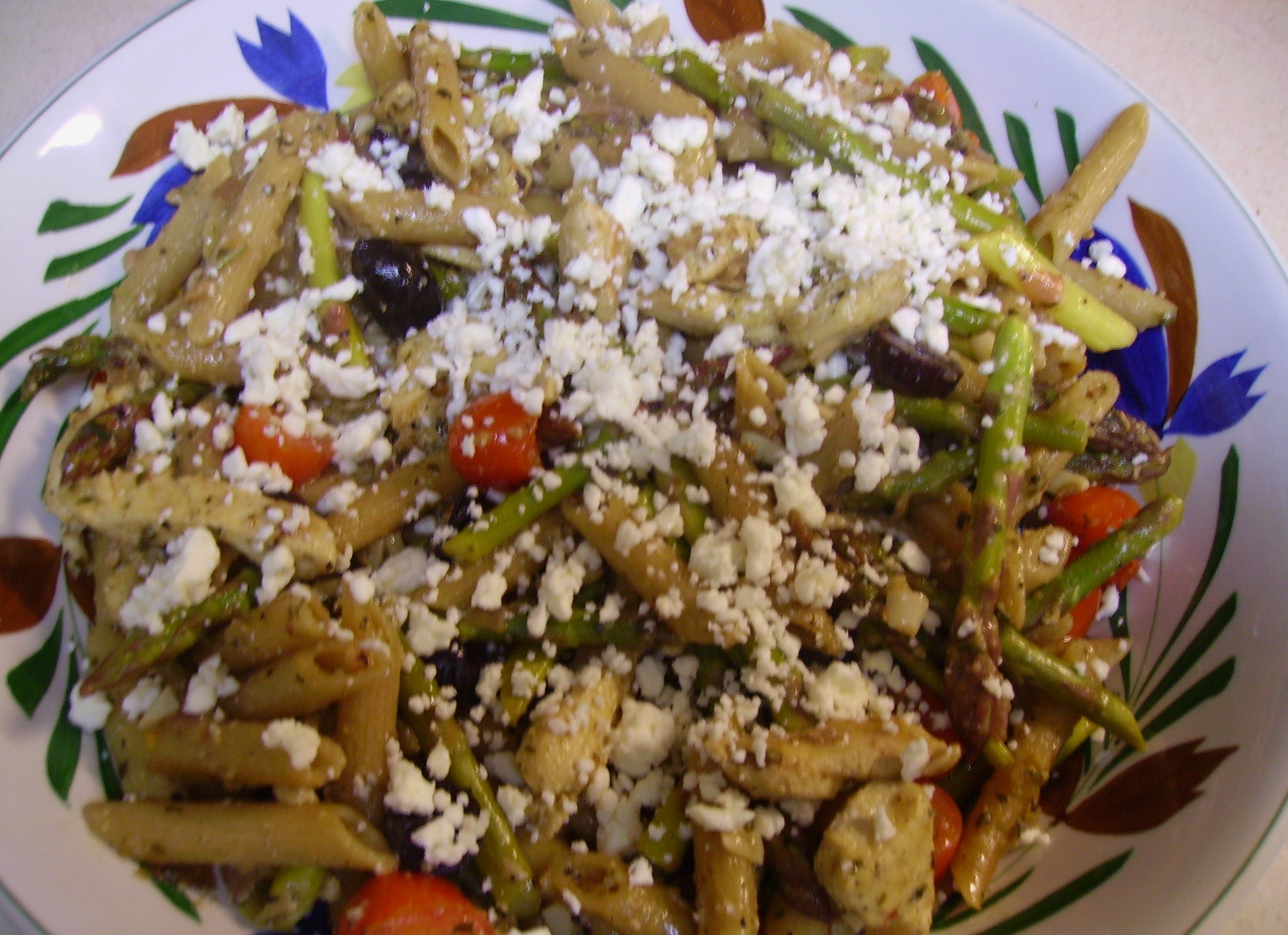
 

Lemony Asparagus and Chicken with Penne
Print Recipe
Servings
2
Servings
2
Lemony Asparagus and Chicken with Penne
Print Recipe
Servings
2
Servings
2
Ingredients
Servings:
Instructions
  1. Toss the chicken with the lemon pepper seasoning. Cover and let marinate for at least 30 minutes or up to 4 hours in the refrigerator.
  2. Heat a large skillet over medium high heat. Add the olive oil and swirl to coat the bottom of the pan. Add the chicken and cook for 4 minutes or so. The chicken should be light golden. Remove the chicken from the pan and reserve. Leave the drippings in the pan.
  3. Add the onions to the pan and saute for 3 minutes or until the onions begin to become translucent. Add the garlic and cook for another minute or so.
  4. While you prepare the vegetables, cook the pasta in boiling salted water for 2 minutes less than the package directs. Drain and set aside.
  5. Add the asparagus to the pan and cook for 3 - 4 minutes. Toss frequently to insure even cooking. Add a little chicken broth if things seem dry.
  6. Add the vermouth (or broth) and the juice of the lemon to the pan. Lower the heat slightly and allow to cook for 3 minutes or so.
  7. Add the Italian seasoning and the lemon zest, stirring to combine. Return the chicken to the pan. Toss to mix evenly.
  8. Add the olives, tomatoes, and pasta to the pan and continue to cook 3 minutes or so until everything is heated through. Taste for seasoning and add salt and pepper if needed.
  9. Spoon the mixture into a serving bowl and sprinkle with the feta cheese and serve.
Share this Recipe
Powered byWP Ultimate Recipe

The weather is back in the 40’s this week. Nights are cool and mornings are chilly but, I believe we’ve made the leap and spring is not just around the corner but right next door.


Memories of Julia…Italian Beef Stew

Beef Stew, a quintessential Winter dish, has as many variations as there are cooks. It is a comfort food that can be simple and satisfying or elegant and complex. The process is time-consuming, but the results are worth it.

I have so many memories of my mother’s cooking, but there isn’t a single one of stew. Chicken Cacciatore came closest, but that’s technically braising. My first adventure or memory for that matter, of stew was making Beef Bourguignon after watching Julia Child. I’ve made this recipe for years, but I wanted something different, so I went about putting an Italian spin on things.

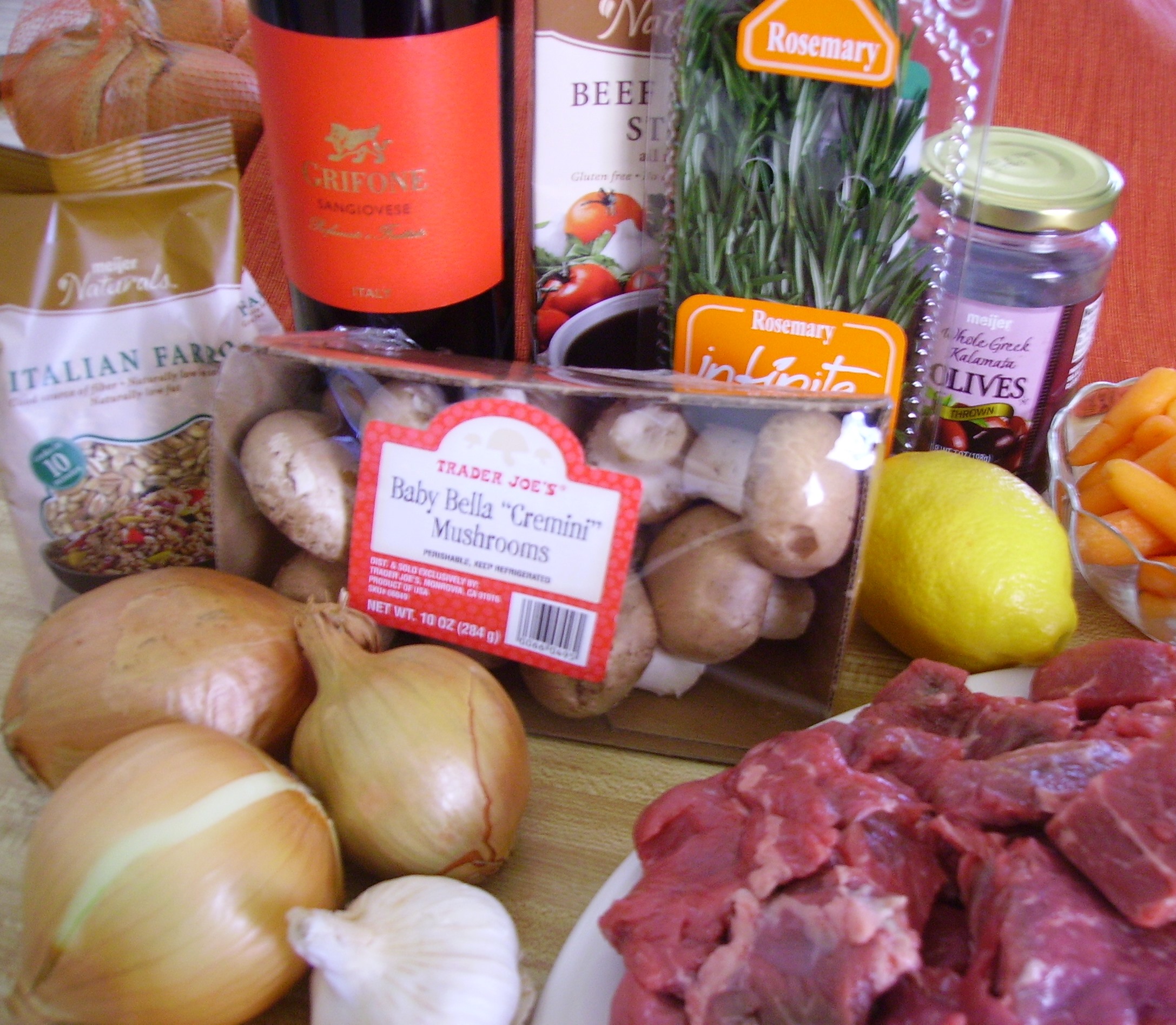
Could I be breaking new ground here? Of course not. Stew goes back to ancient times, including the Romans. I did find a traditional recipe for “Peposo” a dish from Florence featuring chunks of beef, lots of black pepper, and red wine. It was invented back in the 14th century by tile makers who put these ingredients into terra-cotta pots and cooked it by the heat of the furnace. My beef stew incorporates Peposo’s ingredients and oh, so much more.DIGITAL CAMERAMy wine of choice was Sangiovese, considered by many to be the King of Italian wine grapes. It’s the principle wine in Chianti. Usually fruity but with noticeable acidity and tannins, It can hold its own in this stew as well as on the table.DIGITAL CAMERA

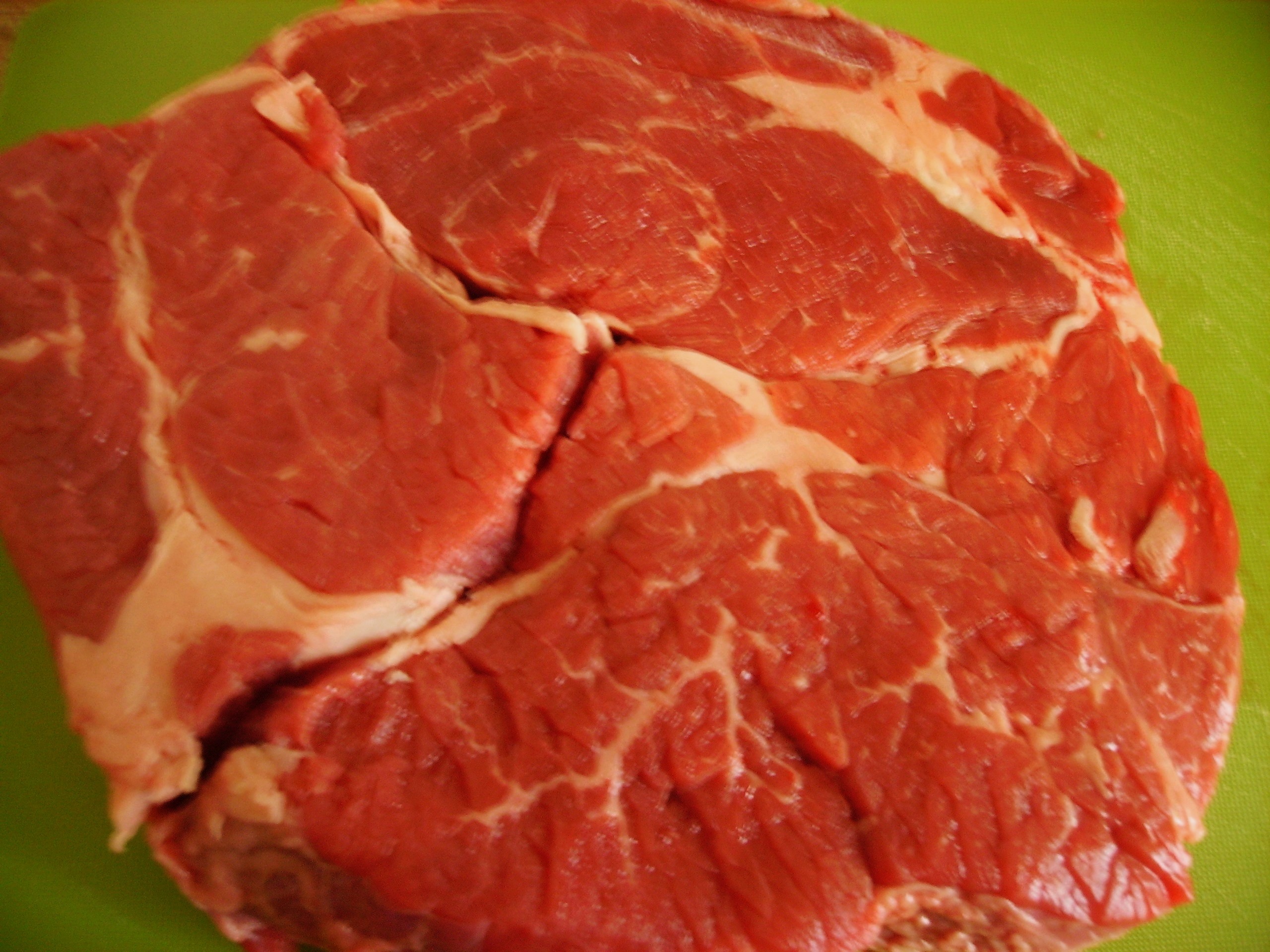
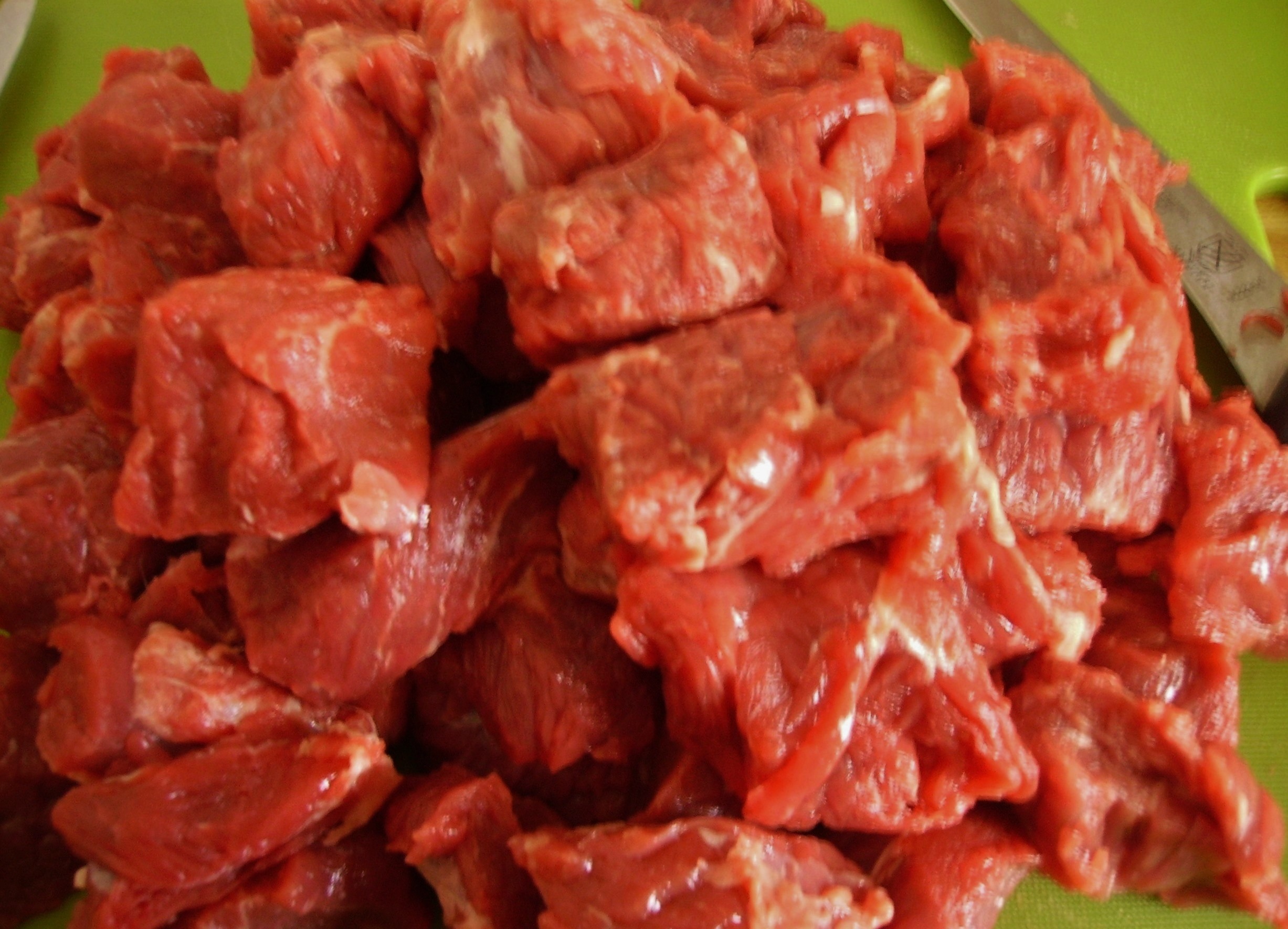
The beef was Chuck Eye Roast. This is lean and tender as chuck cuts go. The muscles are fairly large and can be cut up without too much difficulty. Read that as those pesky membranes are few and loose enough to be dispatched quickly. Cutting the meat yourself will save you money  and allow you to cut the pieces the size you want. I like to eat my stew with a spoon and/or fork so I opted for one and a half-inch pieces.DIGITAL CAMERA

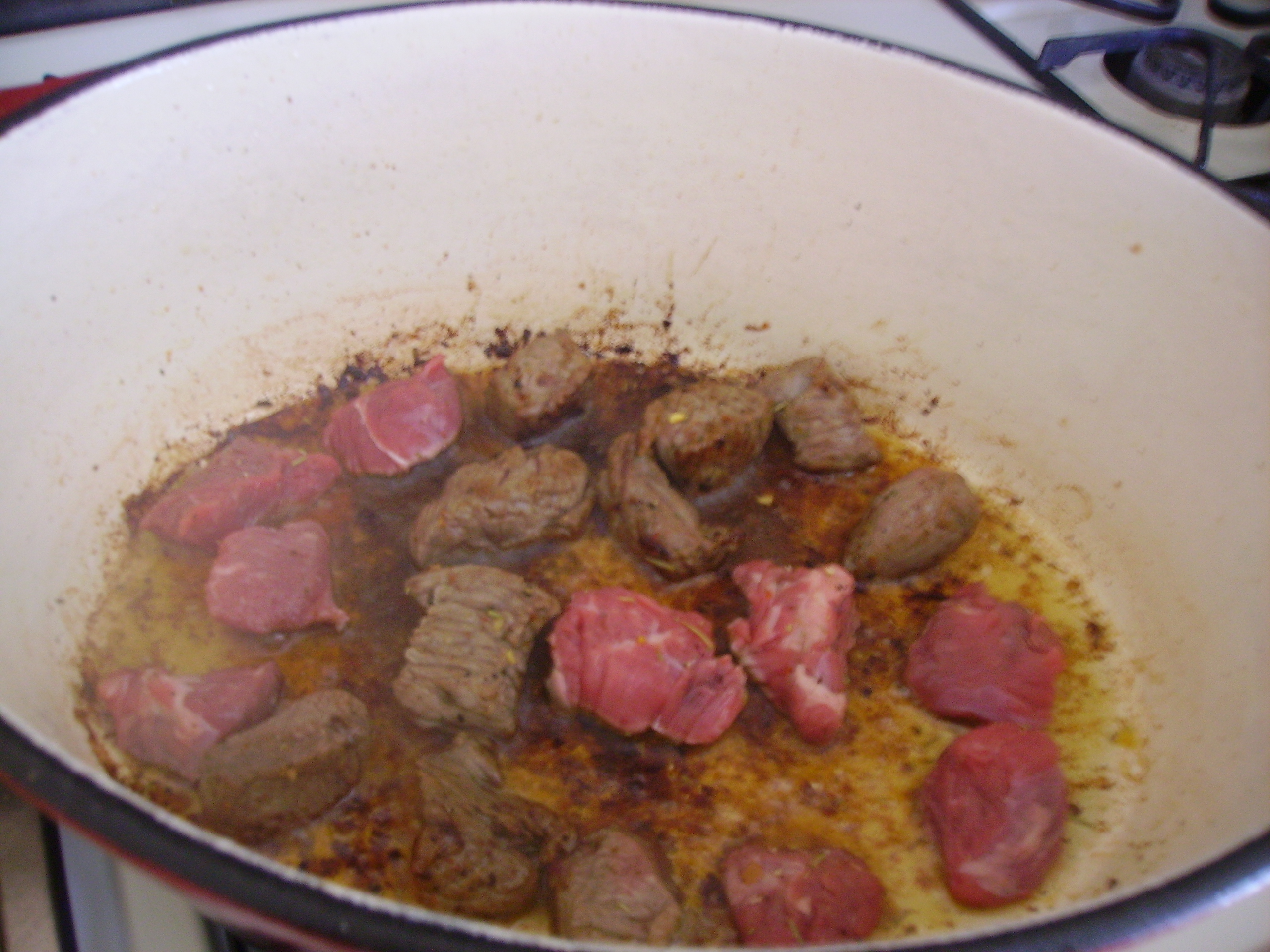
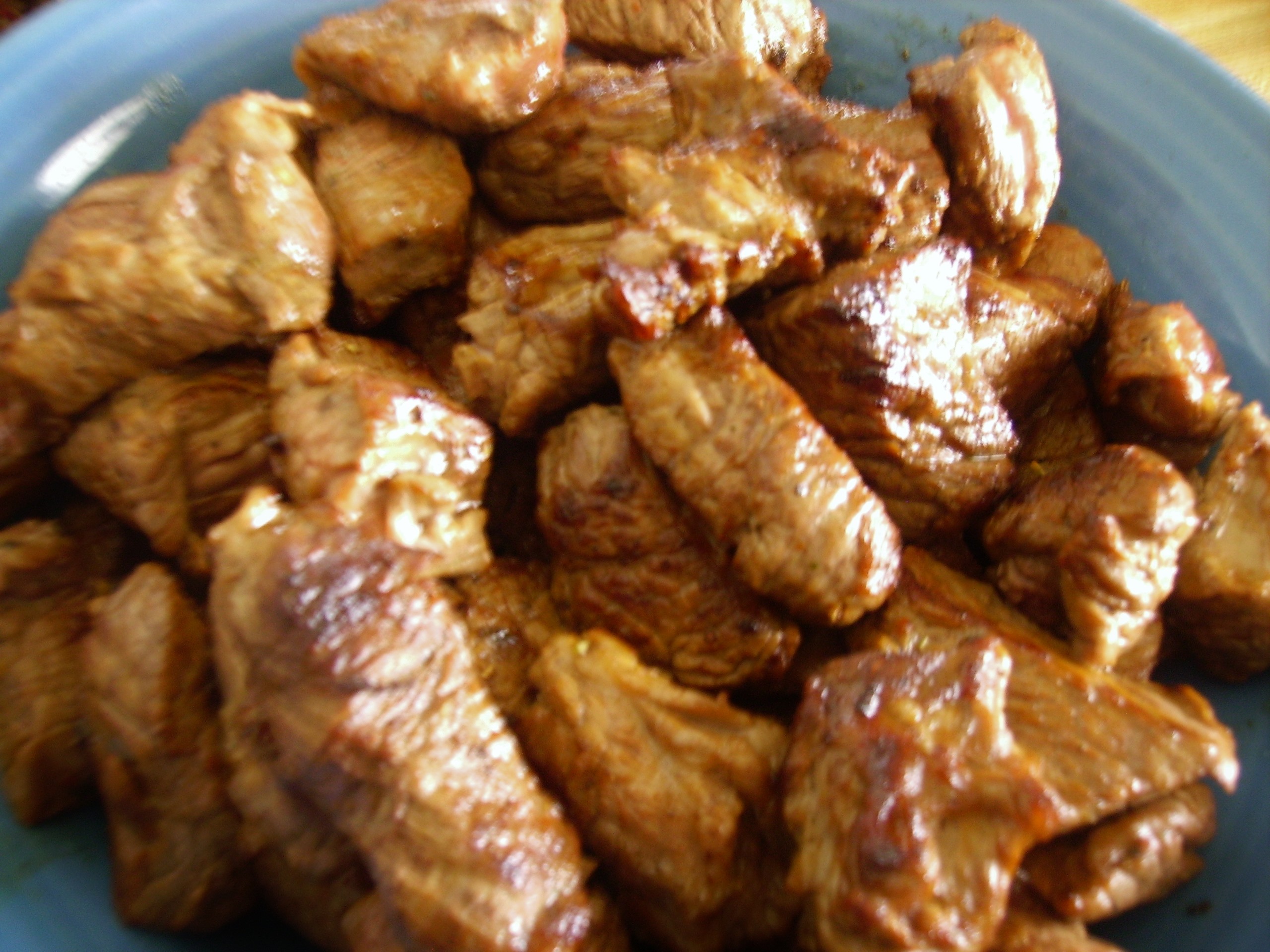
I used bacon because I like the smokieness of it, but pancetta would work well and probably be more Italian. The bacon provided the fat to brown the meat, done in batches so that they would brown instead of steam.DIGITAL CAMERA

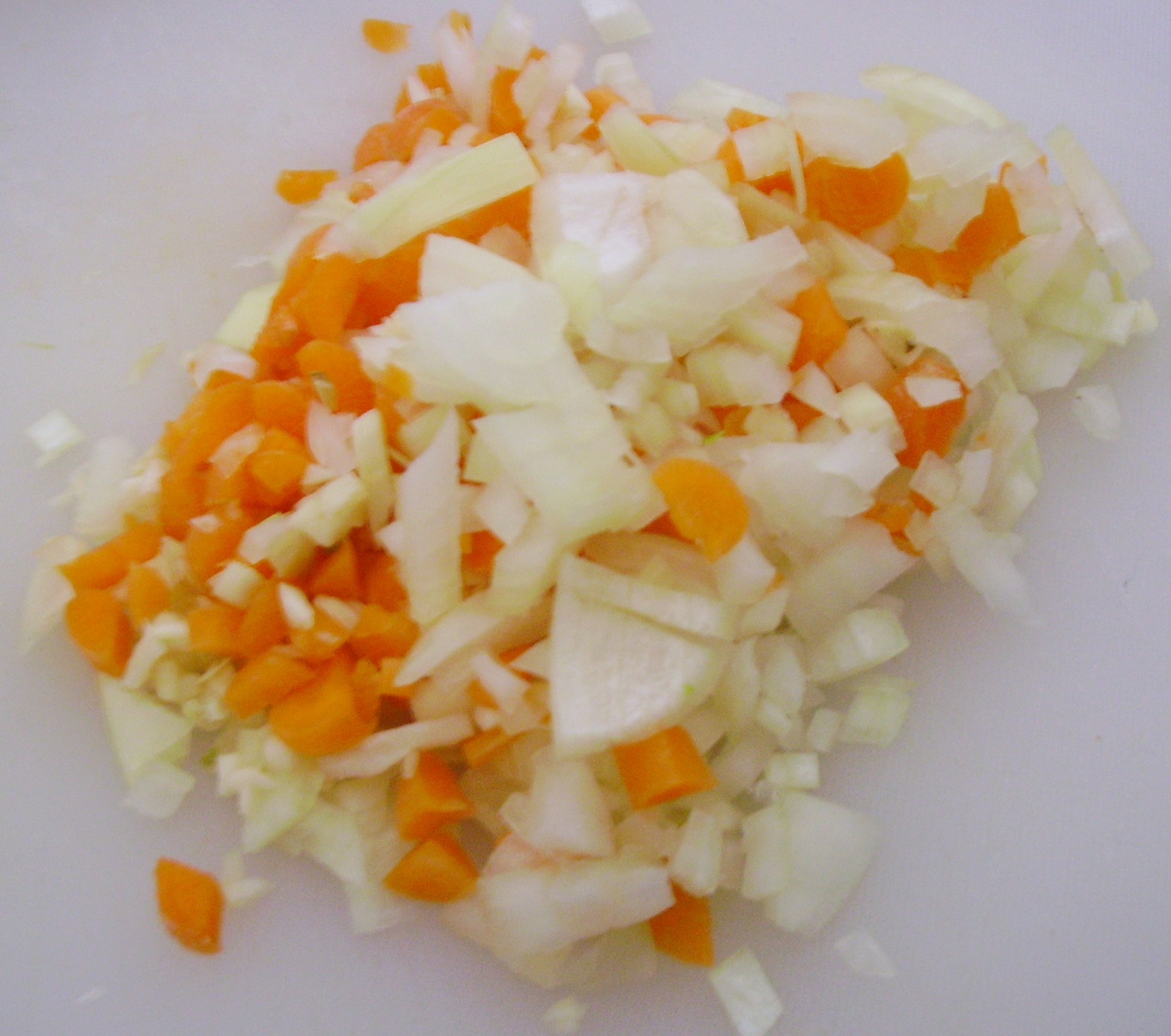
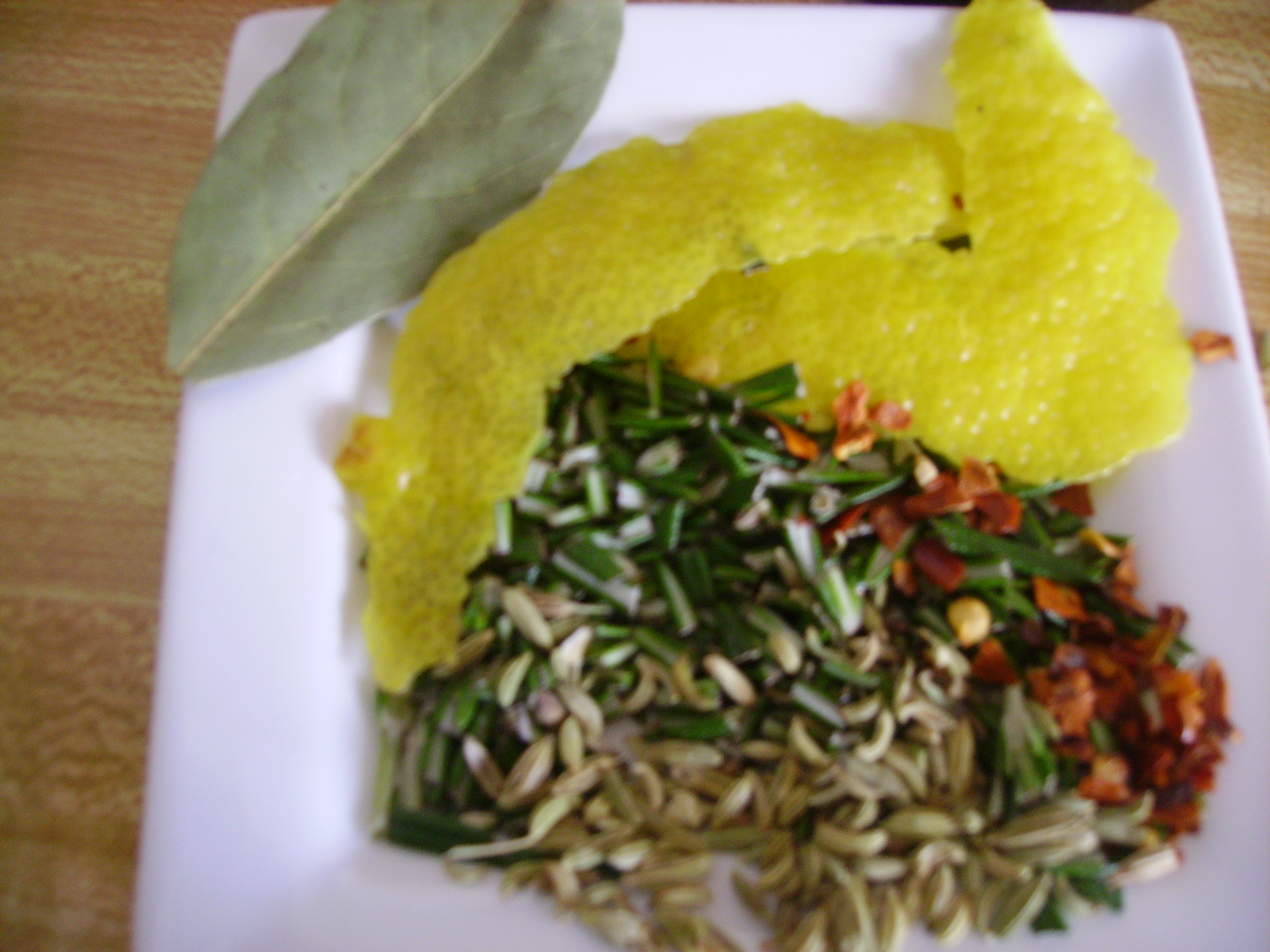
DIGITAL CAMERAThen came the Sofritto. My understanding of Soffrito is that while traditionally it’s the same flavor base as its French cousin, Mirepoix, it can be any combination of aromatics, and since I’m not a fan of celery, I chose to use onions, garlic, and carrots. I chopped up a good size sprig of fresh rosemary, added some fennel seeds and red pepper flakes and rounded out the aromatics with bay leaf and lemon zest.DIGITAL CAMERA

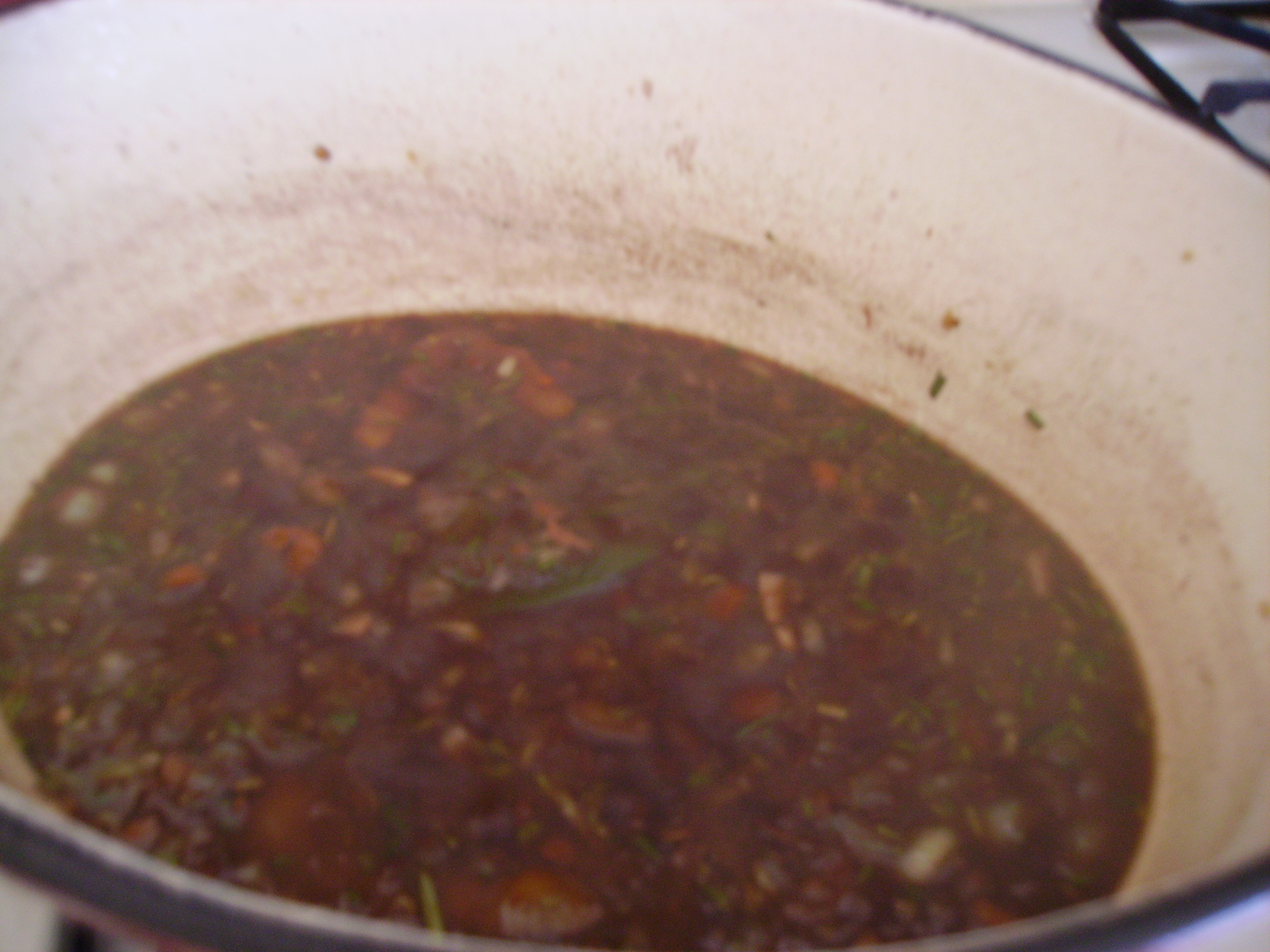
All of this went into the dutch oven now beautifully coated with brown bits. A little tomato paste and more than a little wine to de-glaze the pan and I was well on my way to creating stewing magic.DIGITAL CAMERAThe beef goes back in  along with some beef stock, water and a little more wine if you dare. Bring it up to a simmer, cover it  and pop it in a low oven (325 degrees.) In order to get the meat tender and not over cook the vegetables, let the beef cook for about an hour.DIGITAL CAMERA

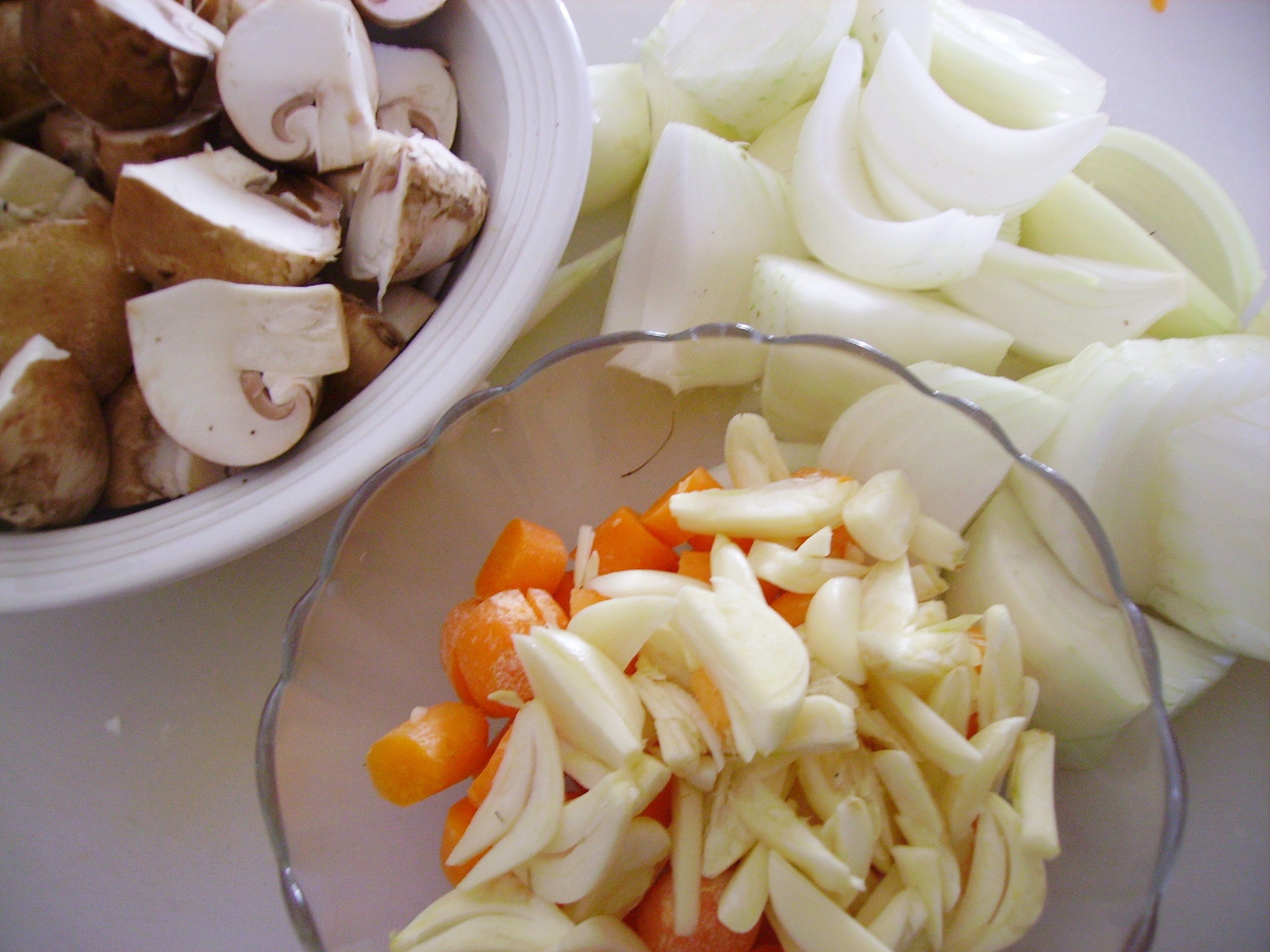
When the time was right, I added the vegetables that take the longest to cook. In this case, it was yellow onions, carrots and lots of sliced garlic. I opted to add the cremini mushrooms a little bit later since they cook more quickly.DIGITAL CAMERA

The stew cooked for about two and a half hours. When it came out of the oven, the meat was tender, the vegetables were cooked, but still identifiable, and the sauce was slightly thickened and smelled like heaven. (there are worse things you could  imagine heaven smelling like).

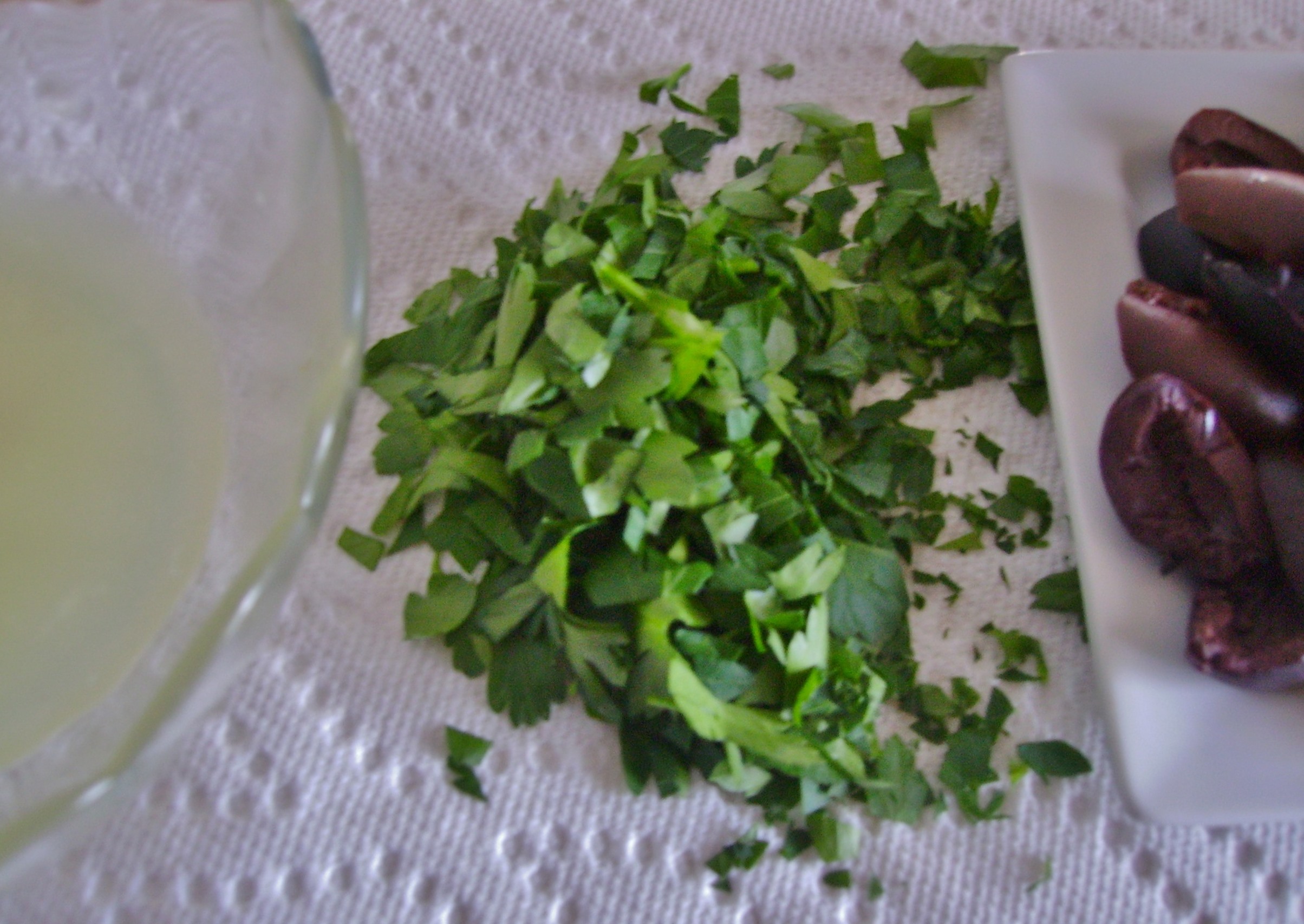
It was now time to guild the lily. I added some sliced Kalamata olives, parsley, and fresh lemon juice. The olives added an interesting taste and texture. The acidity of the lemon juice did wonders for refining the richness of the sauce, and the parsley was pretty. DIGITAL CAMERA

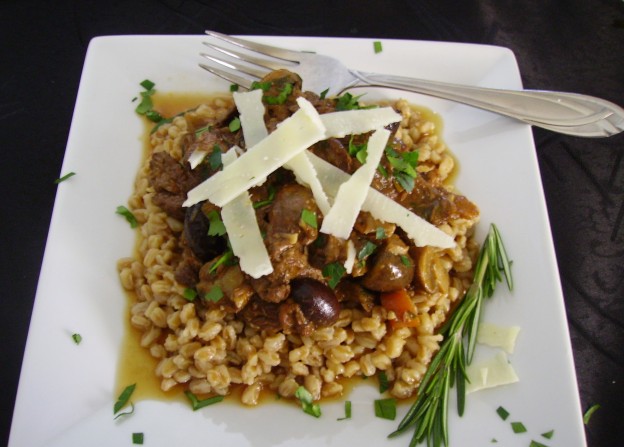
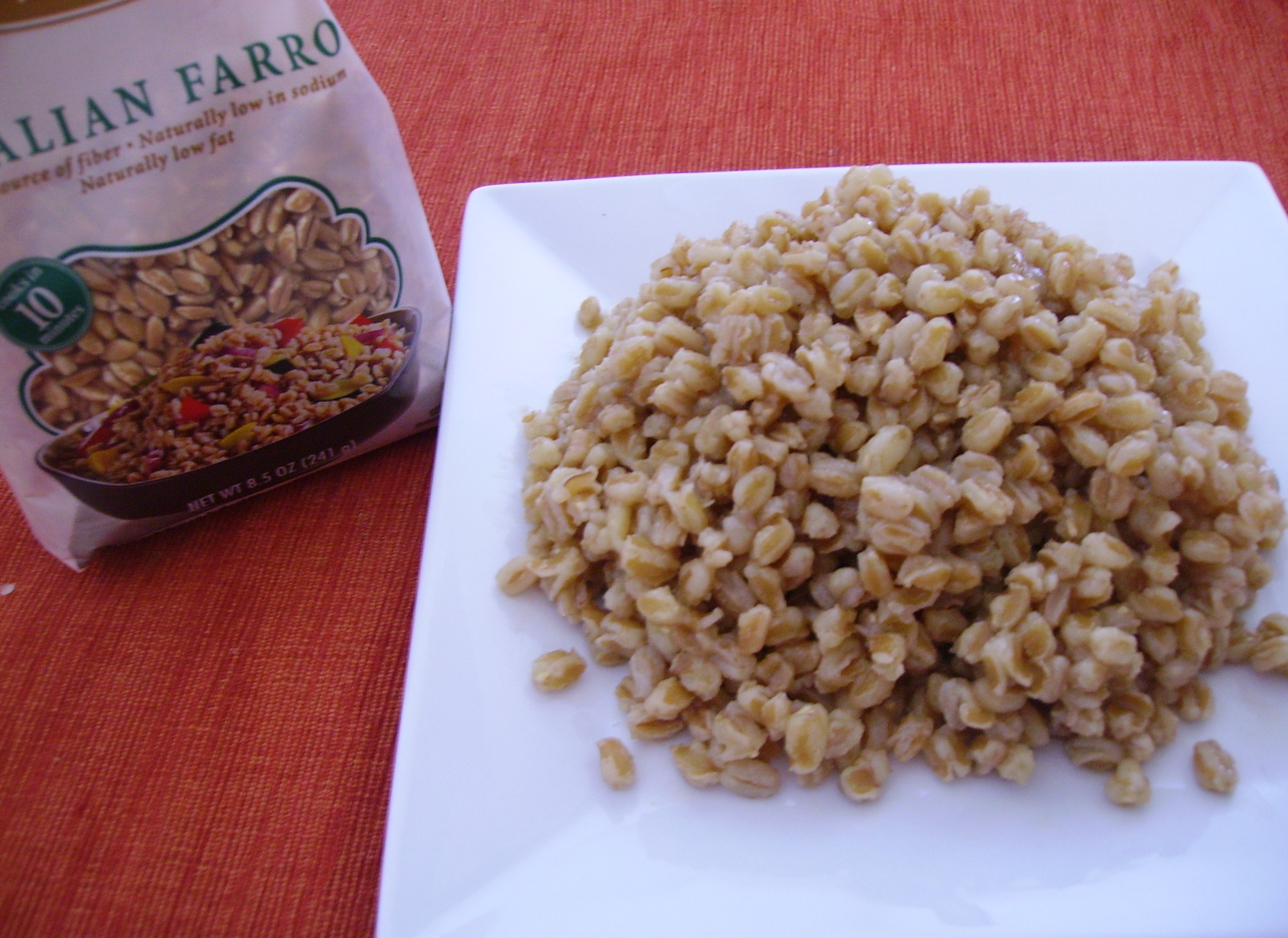
It’s always nice to have some kind of starch to serve with the stew. The sauce is wonderful and it would be a shame to leave it in the bottom of the bowl. I decided to use Farro.

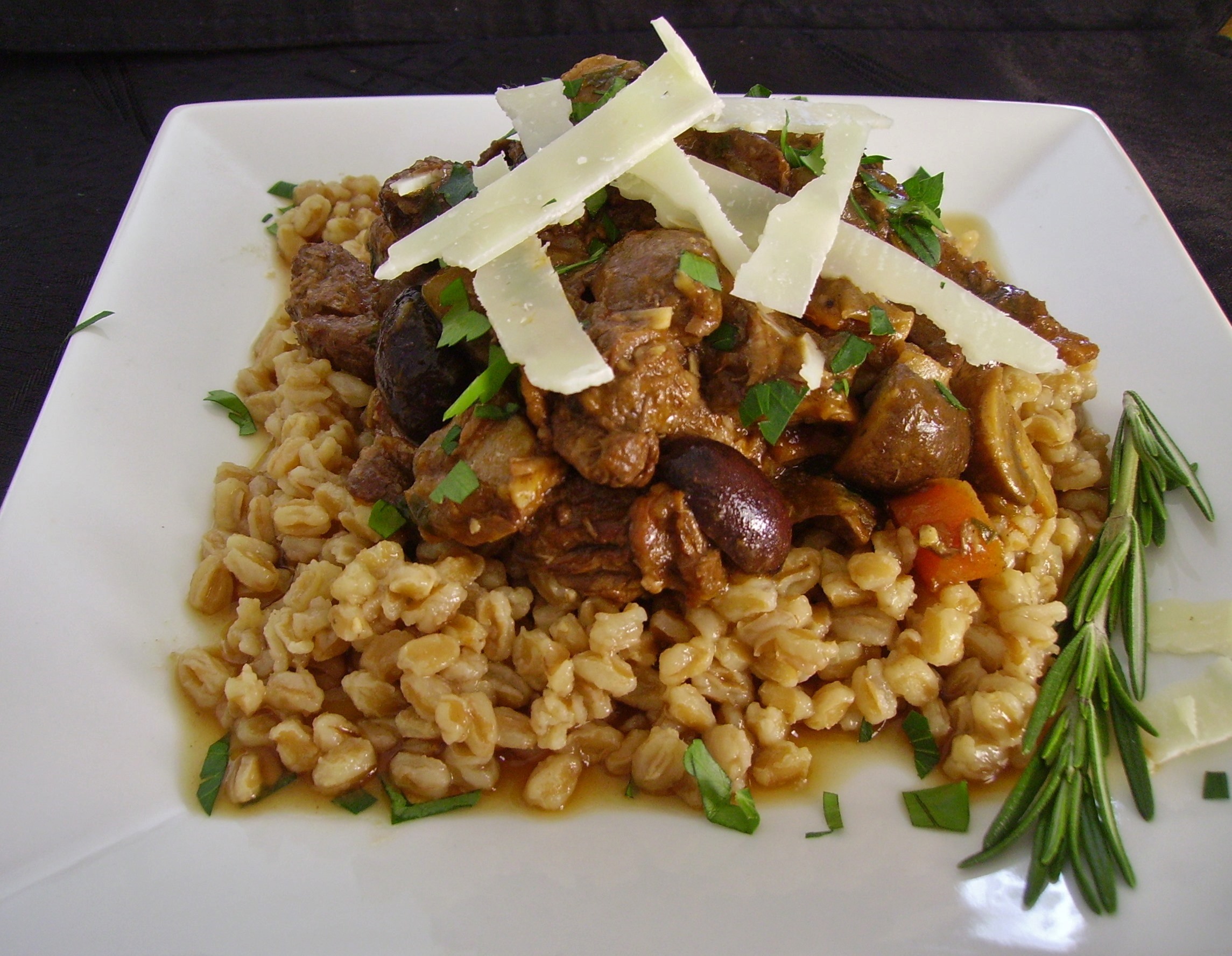
DIGITAL CAMERAThis Italian super grain has a slightly chewy texture and a nutty barley like taste. It cooked quickly and stood up perfectly to the hearty richness of the stew. DIGITAL CAMERA Rosemary, lemon

Some shavings of Pecorino Romano and a dusting of parsley and it was ready to serve. It was wonderful the first time, but the second day it was amazing.

Italian Beef Stew
Print Recipe
An Italian-ized version of classic Beef Stew. Make it your own with wine, vegetable, and aromatics choices.
Servings
8
Servings
8
Italian Beef Stew
Print Recipe
An Italian-ized version of classic Beef Stew. Make it your own with wine, vegetable, and aromatics choices.
Servings
8
Servings
8
Ingredients
Servings:
Instructions
  1. Before you begin cooking, put your cooking vessel in the oven. Adjust the rack so that the covered pot will fit and slide in and out easily. Preheat the oven to 325 degrees.
  2. Heat a 5 -6 quart dutch oven. Add the bacon pieces and cook until the bacon is brown, but not crisp. Remove the bacon and drain on paper towels. Leave the drippings in the pan and add 1 tablespoon of the olive oil.
  3. Cut the meat in 1-1/2 inch to 2 inch pieces. Dry on paper towels for at least 10 minutes (this helps the meat brown). Season the meat with salt and pepper just before browning.
  4. Brown the meat in batches turning to brown all sides. Put the browned meat into a bowl. If the pot is becoming dry, add additional olive oil. Set the bowl of browned meat aside.
  5. Add the chopped onions, garlic, and carrots to the pot and begin to cook over medium low heat. Add the bay leaf, rosemary, fennel seeds, red pepper flakes, lemon zest and tomato paste. Cook, stirring often for 3 or 4 minutes. Return the bacon to the pot.
  6. Add the cup of red wine and stir to loosen the browned bits and de-glaze the pan. Continue to cook for a few minutes until things are smelling beautiful. Add the beef stock and water, (and a little more wine if you want). Bring the mixture to a boil.
  7. Add the beef and any accumulated juices to the pot. Cook until the mixture returns to a simmer. Once it is gently simmering, cover it and place in the oven. Cook covered for one hour.
  8. Remove the pot from the oven and add the onion wedges and sliced garlic. Mix gently, cover and return to the oven for another 30 minutes.
  9. Remove the pan from the oven and add the mushrooms. Stir to gently combine. Cover and return to the oven.
  10. Check the meat after 45 minutes or so. The meat should be fork tender, but not falling apart. When the meat is perfect, remove the pot from the oven.
  11. Add the lemon juice and olives. Stir to incorporate. Taste the sauce and add salt and pepper to taste. Transfer to a serving bowl or ladle into individual dishes. Sprinkle with the parsley.
  12. This can be served as is with crusty bread or on top of your starch of choice; pasta, polenta, farro, etc.
Share this Recipe
Powered byWP Ultimate Recipe

This was worth the time it took to prepare. I’m afraid Julia’s Beouf  will have to move over, Mama D’s Manzo is joining the club.